Taiwan Weapons Deal Raises Stakes Ahead of Trump Xi Meeting
A Diplomatic Visit Under Growing Strain
As two thousand twenty five comes to a close, relations between Washington and Beijing are once again under pressure, this time due to a record breaking arms sale to Taiwan. Analysts warn that the deteriorating atmosphere could shape the tone and substance of a planned visit by Donald Trump to China in two thousand twenty six, where he is expected to meet Xi Jinping. While the trip itself is unlikely to be canceled, the political environment surrounding it has become noticeably more difficult.
The timing of the arms announcement has amplified sensitivities on both sides. With strategic distrust already high, the deal risks narrowing the space for meaningful diplomatic progress during any high level engagement.
The Largest Arms Package to Taiwan So Far
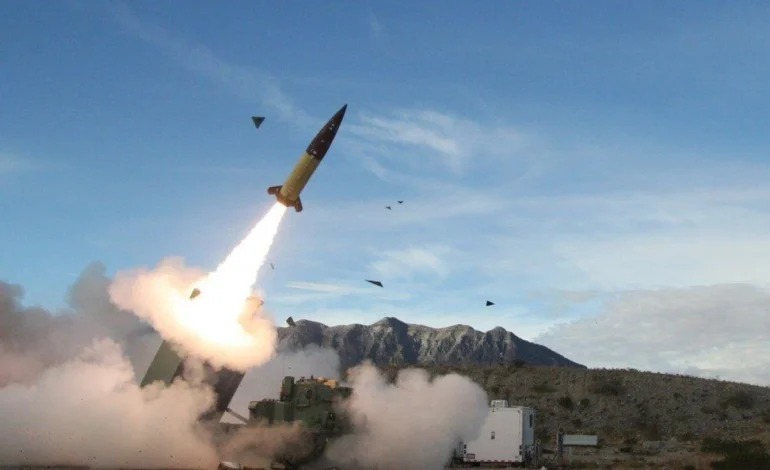
Last week, Washington confirmed an eleven point one billion dollar arms package for Taiwan, the largest such sale to date. The package reportedly includes advanced systems such as the Army Tactical Missile System, a long range guided weapon launched from the Multiple Launch Rocket System. The scale of the deal has drawn attention not only for its military implications but also for its political symbolism.
For Beijing, arms sales to Taiwan strike at the core of sovereignty concerns. Even routine packages have historically prompted sharp reactions. A deal of this magnitude, announced at a sensitive moment, carries added weight in the broader strategic rivalry.
Beijing’s Measured but Firm Response
China’s official response has so far remained calibrated. Authorities issued stern diplomatic representations and announced targeted sanctions against US defense companies involved in the sale. While these steps stop short of sweeping retaliation, analysts suggest the restraint is tactical rather than conciliatory.
Rather than escalating publicly, Beijing may choose to express displeasure through subtler means. This could include limiting cooperation, hardening negotiating positions, or narrowing the agenda for future high level talks.
Implications for the Trump Xi Meeting
The planned meeting between Trump and Xi has been viewed as a potential opportunity to stabilize relations or secure limited agreements on trade, security, or global issues. However, the arms deal complicates expectations.
Analysts believe Beijing is now less likely to offer concessions or symbolic deliverables that Trump may seek. Instead of scrapping the visit, China could allow it to proceed with a more restrained scope, signaling dissatisfaction without triggering a full diplomatic rupture.
Symbolism Matters in Strategic Rivalries
In US China relations, symbolism often carries as much importance as substance. The record size of the Taiwan arms package sends a strong signal of Washington’s continued support for the island’s defense. For Beijing, this reinforces perceptions of containment and interference.
Such signals shape internal political calculations. Chinese leaders must balance diplomatic engagement with domestic expectations of firmness on sovereignty issues. This balance may limit flexibility ahead of the summit.
Washington’s Strategic Calculus
From the US perspective, the arms sale aligns with longstanding policy commitments under the Taiwan Relations Act. Officials argue that providing defensive capabilities supports regional stability and deterrence.
However, critics note that announcing a record package so close to a potential summit increases the risk of diplomatic blowback. Even if intended as routine policy, the move inevitably affects the broader strategic dialogue.
A Narrowing Path for Compromise
With tensions elevated, the likelihood of ambitious agreements emerging from a Trump Xi meeting appears reduced. Instead, observers expect cautious engagement focused on managing differences rather than resolving them.
This does not mean dialogue is meaningless. Even limited communication can help prevent miscalculation. Yet expectations for breakthroughs may need to be tempered.
What Comes Next for US China Relations
The shadow cast by the Taiwan arms deal highlights the fragile nature of US China diplomacy. Strategic competition now intersects with nearly every issue, from security to trade to technology.
As preparations for the two thousand twenty six visit continue, both sides will weigh how much they are willing to risk or concede. The meeting may still go ahead, but under a cloud shaped by weapons sales, symbolism, and deepening mistrust that will not easily dissipate.