The Battle for Semiconductors: How China Is Redefining Tech Security

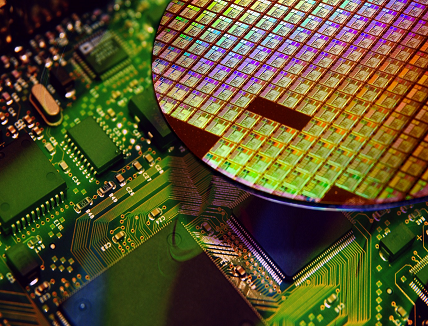
Semiconductors have become a central focus of global technology and security, and China is at the forefront of this strategic battle. Modern electronics, from smartphones and laptops to electric vehicles and military systems, depend on advanced chips. Recognizing this, China has made semiconductor development a top priority, seeking not only economic growth but also technological sovereignty and national security.
Historically, China relied heavily on imports from Taiwan, South Korea, and the United States for advanced chips. Supply chain disruptions and geopolitical tensions have highlighted the risks of this dependency. In response, China has invested billions in domestic semiconductor companies, research institutions, and fabrication facilities. State-backed giants like SMIC (Semiconductor Manufacturing International Corporation) have expanded production, while specialty chipmakers focus on memory, analog, and high-performance computing applications.
A critical element of this effort is homegrown innovation. China is developing proprietary chip designs, manufacturing processes, and materials to reduce reliance on foreign technology. Investments in research and development have led to improvements in energy efficiency, processing power, and miniaturization. Chinese universities and corporate labs collaborate closely, ensuring that advances move quickly from concept to production.
China’s strategy also emphasizes supply chain integration. By controlling everything from raw materials such as silicon and rare earth metals to chip assembly and packaging, China is minimizing vulnerabilities. This integrated approach not only strengthens national security but also allows for greater resilience in times of global disruption.
The geopolitical implications are significant. As China strengthens its semiconductor capabilities, other nations are re-evaluating trade policies, export restrictions, and domestic investments in chip manufacturing. Competitors in the United States, Europe, and Asia face increasing pressure to maintain technological parity, making semiconductors a focal point of global strategic competition.
China’s policies combine long-term planning with immediate action. Subsidies, tax incentives, and government-backed investment funds reduce the financial risk for domestic chipmakers. Simultaneously, talent programs train engineers, researchers, and technicians to operate and innovate within high-tech fabs. This combination ensures both the short-term expansion of production and long-term technological advancement.
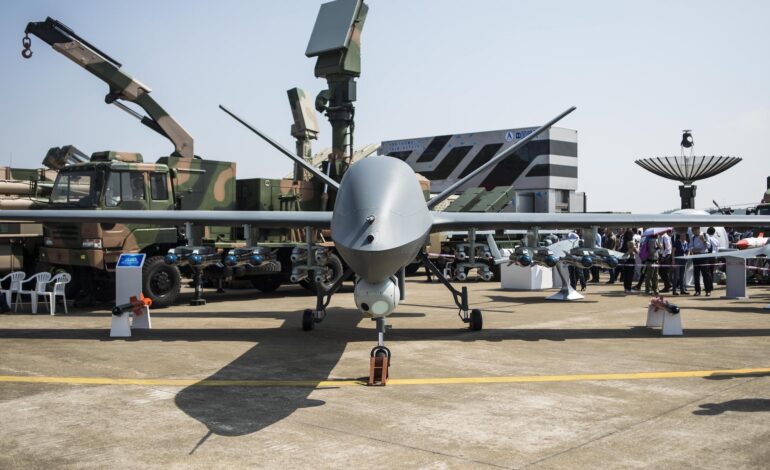
While challenges remain—particularly in producing the most advanced nodes used in AI, supercomputing, and high-speed networking—China’s progress is undeniable. The country is steadily increasing its share of global chip production, strengthening both its commercial technology sectors and its national security posture.
In conclusion, the battle for semiconductors is as much about technology as it is about security. China’s efforts to expand domestic chip production, foster innovation, and integrate the supply chain are redefining the global semiconductor landscape. By reducing dependency on foreign suppliers and building strategic capabilities, China is ensuring that semiconductors remain a cornerstone of its technological and security ambitions.