The Global Semiconductor Supply Chain and Chinese Policies
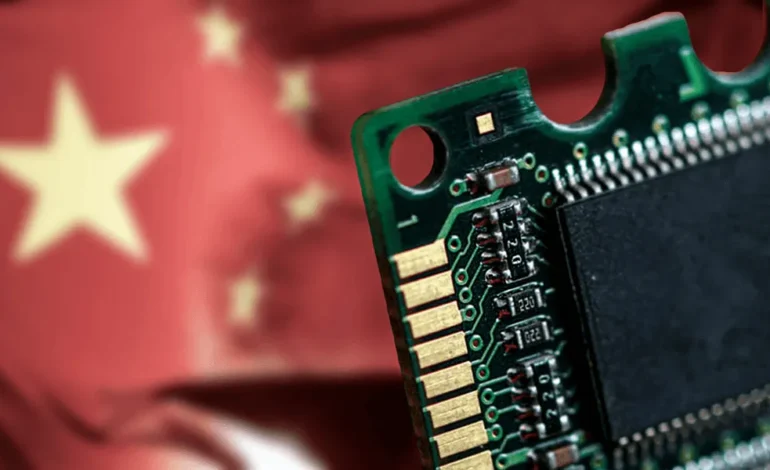
Semiconductors are at the heart of modern technology, powering devices from smartphones and computers to AI systems, autonomous vehicles, and defense applications. China’s policies regarding the semiconductor industry are reshaping global supply chains, influencing trade, technological innovation, and geopolitical dynamics. As both a major consumer and producer of semiconductors, China has implemented strategies to achieve self-reliance, strengthen domestic manufacturing, and secure access to critical technologies. Understanding the interplay between Chinese policies and global supply chains is crucial for enterprises, investors, and policymakers navigating the tech-driven global economy.
China’s Semiconductor Strategy
China’s semiconductor strategy focuses on reducing reliance on foreign suppliers, accelerating domestic production, and fostering innovation. Initiatives such as Made in China 2025, the National Integrated Circuit Industry Investment Fund, and AI-focused industrial policies prioritize research, talent development, and infrastructure for chip manufacturing. These policies aim to strengthen local design, fabrication, and assembly capabilities, ensuring that China can maintain technological competitiveness and safeguard economic and national security interests.
Dependence on Global Supply Chains
Despite efforts to increase domestic capacity, China remains dependent on advanced foreign technologies for semiconductor fabrication and equipment. High-end chips require lithography systems, materials, and intellectual property predominantly sourced from the United States, Europe, Japan, and Taiwan. This dependence creates vulnerabilities, as export controls and sanctions imposed by other countries can restrict access to critical components, technology, and know-how, highlighting the importance of China’s push for self-reliance.
Impact of Export Controls and Trade Restrictions
Export controls and trade restrictions imposed by the US and allied countries have targeted China’s access to advanced semiconductor manufacturing equipment and intellectual property. These policies limit the import of high-end lithography machines, specialized chemicals, and chip designs, affecting China’s ability to produce cutting-edge semiconductors. In response, China has accelerated domestic research, invested in alternative technologies, and sought international collaborations to mitigate supply chain vulnerabilities while maintaining production of essential chips for domestic industries.
Domestic Semiconductor Manufacturing
China is investing heavily in domestic semiconductor fabrication plants, known as fabs, to produce memory, logic, and specialty chips. Initiatives include funding for advanced equipment, training skilled engineers, and developing local supply chains for raw materials and components. By focusing on medium- and high-end chip production, China aims to reduce dependency on foreign suppliers while strengthening capabilities for AI, communications, and industrial applications. These efforts also aim to create a robust ecosystem supporting R&D, manufacturing, and downstream applications.
Semiconductor Design and Innovation
Chinese firms are advancing semiconductor design, emphasizing AI chips, graphics processing units, and system-on-chip solutions. Domestic design houses collaborate with universities, research institutes, and government-supported programs to innovate in chip architecture, energy efficiency, and AI integration. By investing in intellectual property development, China seeks to reduce reliance on foreign chip designs and develop competitive offerings for both domestic and international markets.
Global Supply Chain Diversification
China’s policies have encouraged diversification of supply chains. Domestic manufacturers are sourcing equipment and materials from alternative suppliers in Asia and Europe to reduce reliance on specific regions. Investment in local fabrication, packaging, and testing capabilities creates redundancy and resilience within the semiconductor ecosystem. Supply chain diversification mitigates geopolitical risks, ensuring continuity of production even amid export restrictions or trade tensions.
International Partnerships and Investments
China is leveraging international partnerships and foreign investments to strengthen semiconductor capabilities. Joint ventures with foreign companies, technology transfer agreements, and cross-border R&D collaborations enable access to expertise and resources. At the same time, China invests in semiconductor hubs abroad to secure supply chains, influence standards, and participate in global innovation networks. These partnerships balance domestic self-reliance with strategic international engagement.
Economic and Geopolitical Implications
China’s semiconductor policies have far-reaching economic and geopolitical effects. Globally, supply chain adjustments, investment flows, and technological competition affect prices, availability, and market strategies for chips. Geopolitically, China’s push for self-reliance challenges the dominance of the US and allied suppliers, influencing trade negotiations, export control policies, and regional alliances. Enterprises must consider both economic efficiency and geopolitical risks when sourcing chips or investing in semiconductor-related projects.
Challenges and Risks
China faces significant challenges in achieving semiconductor self-reliance. High-end fabrication remains technologically complex and resource-intensive. Developing cutting-edge IP, acquiring advanced equipment, and scaling production are costly and time-consuming. Geopolitical tensions, export restrictions, and cybersecurity concerns can disrupt progress. Additionally, balancing rapid industrial growth with environmental and regulatory considerations is essential for sustainable semiconductor development.
Opportunities for Domestic and Global Enterprises
For domestic firms, China’s policies create opportunities for investment, innovation, and participation in government-supported programs. Global enterprises can explore partnerships, technology licensing, and joint ventures to engage with China’s expanding semiconductor market. Cross-border collaborations, while sensitive to regulatory restrictions, provide avenues for knowledge sharing and capacity building. Companies that adapt to policy changes, diversify supply chains, and integrate risk management strategies can capitalize on evolving market dynamics.
Future Outlook
The global semiconductor supply chain is expected to become increasingly complex, with China playing a central role in both production and consumption. Domestic capabilities will continue to expand through investment in fabrication, design, and supply chain infrastructure. Strategic partnerships, R&D initiatives, and alternative sourcing will enhance resilience. Geopolitical considerations will remain critical, as China’s policies influence trade, technology access, and global competition in semiconductors for years to come.
Conclusion
China’s semiconductor policies are reshaping global supply chains by emphasizing self-reliance, domestic production, and technological innovation. Export controls, trade restrictions, and geopolitical tensions have accelerated domestic investments in fabrication, design, and research capabilities. While challenges in scaling high-end production remain, strategic international partnerships, supply chain diversification, and government support enhance resilience. The interplay of policy, technology, and global market dynamics will continue to influence semiconductors, trade, and geopolitics, highlighting the importance of China’s evolving role in this critical industry.