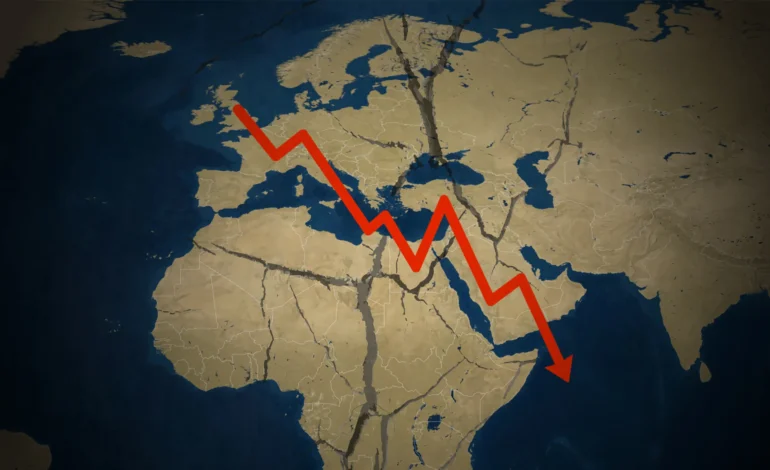
The Rise of Economic Security and Its Influence on Modern Geopolitics
Economic security has become one of the most important considerations in modern geopolitics. Nations are increasingly aware that their economic stability, technological readiness and supply chain resilience are directly tied to their strategic strength. Instead of viewing economics and security as separate issues, governments now treat them as interconnected pillars that shape national power. This shift influences how countries build alliances, regulate industries and prepare for future risks in a rapidly changing world.
The changing meaning of national resilience
Resilience once referred primarily to military preparedness or natural disaster response, but today it includes digital infrastructure, manufacturing stability and access to essential resources. Nations are investing in diversified supply chains, secure communication networks and domestic production capabilities to reduce vulnerability. Events such as pandemics, cyberattacks and global trade disruptions have shown how easily an economic system can weaken. As a result, governments are prioritising long term planning and protective measures that reinforce their economic foundations while enhancing strategic flexibility.
Technology as a strategic asset
Technological leadership is becoming a core component of economic security. Countries that excel in fields like artificial intelligence, quantum computing, biotechnology and advanced manufacturing gain influence far beyond traditional measures of power. These technologies enable stronger industries, smarter defence systems and more efficient public services. They also shape global standards and create networks of economic dependence. Nations now compete fiercely to protect their intellectual property, secure talent and build ecosystems that support continuous innovation. This competition directly affects geopolitical alignments as countries seek partners who can strengthen their technological position.
Supply chains become strategic battlegrounds
Global supply chains once operated with little political attention, but they are now viewed as critical national assets. Governments are working to secure dependable access to energy, food, minerals and high tech components. Many countries are reshoring or nearshoring production to reduce dependence on distant suppliers. Others are forming new trade partnerships to safeguard essential imports. These shifts redefine economic relationships by placing security and reliability above pure cost efficiency. The emergence of parallel supply chain networks around the world illustrates how deeply economic security has entered foreign policy thinking.
Economic tools as instruments of influence
Sanctions, export controls and investment restrictions have become central tools of geopolitical strategy. Countries use economic measures to pressure rivals, protect strategic industries and influence global behaviour. While these tools can be effective, they also create new tensions and uncertainties in international markets. Companies operating across borders must now navigate environments where political decisions can reshape market conditions overnight. This growing use of economic leverage demonstrates how deeply intertwined economic policy and geopolitical competition have become.
A future where security and economics move together
The rise of economic security marks a long term shift in global politics. Nations will continue to integrate economic planning with strategic decision making, shaping alliances based on shared needs for technological resilience, resource access and stable supply networks. The world is moving toward an era where economic strength is not only measured by growth but also by the ability to withstand shocks and adapt to emerging challenges. As countries refine their strategies, economic security will remain a driving force in determining geopolitical influence and global stability.