This year’s Kennedy Center Honors will look very different
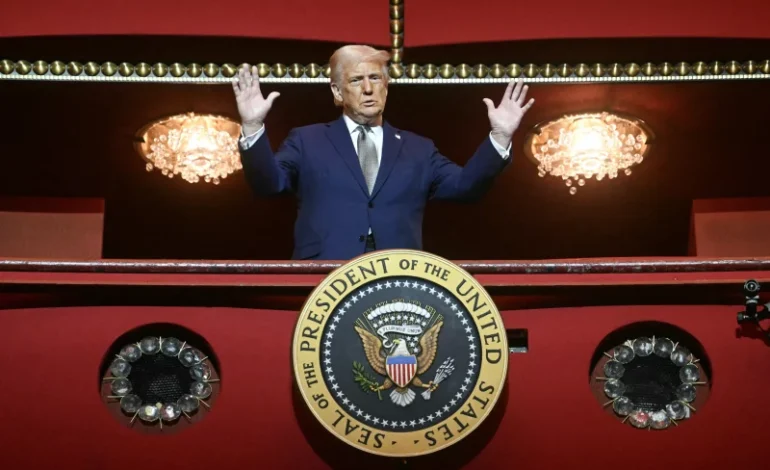
The Kennedy Center Honors, long considered one of Washington’s most glamorous cultural events, is preparing for a markedly different ceremony this year. Traditionally a dazzling evening where Hollywood royalty, legendary musicians and prominent political figures gather to celebrate the country’s most influential artists, the event has become synonymous with showstopping performances and emotional tributes. Stars like Beyoncé, Aretha Franklin, Cary Grant, Tina Turner and Sidney Poitier have created iconic moments on its stage.
But in 2025, the atmosphere surrounding the event has shifted noticeably. President Donald Trump, now in his second term, is expected to attend again a presence that has already reshaped the tone of cultural ceremonies in the capital. His appearance at the Kennedy Center earlier this year signalled a return to presidential involvement after years of tense relations between his administration and the arts community. Still, many in the performing arts world remain divided over how closely they want to be associated with the White House.
While the Kennedy Center has not announced major structural changes to the programme, organisers and attendees say the event will feel different from its pre-Trump era iterations. Some artists who boycotted the ceremony during Trump’s first term have been cautious about returning, while others say they want to refocus attention on the honourees rather than the politics surrounding the evening.
There is also a sense that the event is evolving alongside broader cultural shifts. Washington’s relationship with Hollywood has grown more complicated, with political commentary now inseparable from many discussions about the arts. Honorees, performers and presenters are all navigating an environment where public appearances carry heightened political resonance.
Nonetheless, the Kennedy Center Honors remains one of the rare national stages devoted to celebrating artistic achievement. Each year the ceremony recognises performers whose contributions have shaped American culture — from actors and directors to dancers, musicians, playwrights and composers.
What will not change is the event’s emotional power. Past tributes have included John Williams conducting for Yo-Yo Ma, Rob Reiner honouring Norman Lear and Aretha Franklin moving the audience to tears with her soaring performance for Carole King. This year’s ceremony is expected to deliver more such moments, even if the political backdrop feels more charged than ever.
As Washington prepares for another parade of red carpet arrivals and artistic tributes, the hope among organisers is that the evening’s focus will stay where it has always belonged: on the remarkable individuals who have shaped the country’s cultural landscape.