
Tokenized Trade Systems Transform EV Supply Chain Management
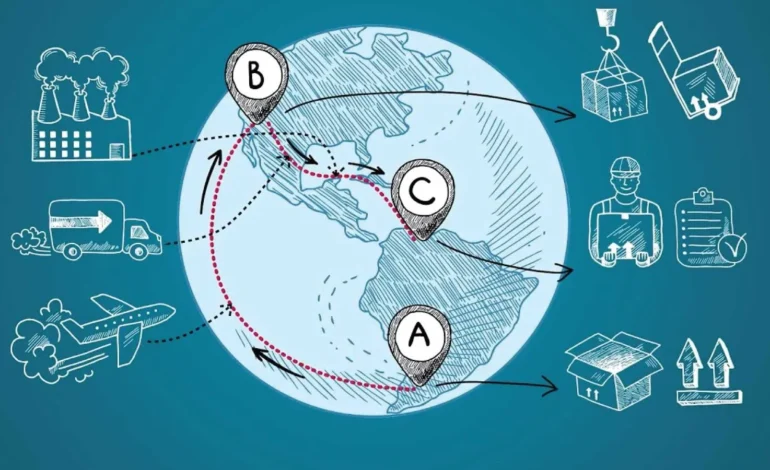
China’s electric vehicle industry is entering a new phase of transparency and efficiency as tokenized trade systems revolutionize how supply chains are managed and financed. The integration of blockchain-based transaction frameworks into EV manufacturing has created a digital ecosystem capable of monitoring every stage of production, from mineral sourcing to final shipment. This transformation reflects China’s wider industrial modernization strategy, combining artificial intelligence, the Internet of Things, and distributed ledger technology to enhance accountability and resilience in high-value industries.
Supply Chain Traceability and Trust
One of the main challenges in global EV production is verifying the origin and authenticity of critical materials such as lithium, cobalt, and nickel. Tokenized trade systems solve this problem by assigning unique digital identifiers to each shipment, component, and payment event. Every movement of goods is recorded on a tamper-proof ledger accessible to manufacturers, regulators, and financiers. This allows buyers in Europe and Africa to trace their electric vehicle components back to certified mines and factories. The system not only ensures compliance with environmental and labor standards but also deters counterfeit parts and financial fraud, two persistent risks in cross-border trade.
Smart Contracts for Automated Settlements
The tokenized trade architecture enables smart contracts to automate payments and logistics verification. Once a shipment is confirmed as delivered and quality checks are digitally validated, payments are released instantly through programmable settlement protocols. This eliminates the need for paper-based letters of credit and reduces transaction times from weeks to hours. For small and medium-sized suppliers, particularly those exporting batteries and components, the system provides reliable access to financing by turning verified trade data into collateral. Banks and insurers use these transparent ledgers to assess real-time creditworthiness, thereby expanding financial inclusion within the EV supply chain.
Integration With Industrial and Green Policies
China’s Ministry of Commerce and National Development and Reform Commission have incorporated tokenized trade systems into the national policy framework for smart manufacturing. The approach aligns with the government’s “Digital Silk Road” vision, ensuring that technology infrastructure supports both efficiency and environmental responsibility. Through the use of verified digital tokens, carbon emissions data can be linked directly to production and logistics records, allowing manufacturers to meet international climate disclosure standards. This integration strengthens China’s leadership in sustainable industrial governance while enhancing its competitiveness in export markets that prioritize green certification.
Connecting Factories, Ports, and Global Buyers
Major EV producers such as BYD, SAIC, and NIO have already begun integrating tokenized tracking systems across their supply networks. These systems link factories, warehouses, and shipping ports into unified data environments where production progress and cargo status can be monitored in real time. At Shanghai’s Yangshan Port, blockchain-enabled customs clearance has reduced inspection times by nearly forty percent. Exporters now share synchronized data with buyers in Europe and Africa, giving both parties visibility into shipment schedules, payment confirmations, and quality assurance records. The transparency has improved trust between suppliers and international buyers, accelerating trade turnover and reducing disputes.
Financial and Technological Collaboration
The success of tokenized trade systems depends on close cooperation between manufacturers, fintech firms, and financial institutions. Chinese commercial banks are now developing blockchain-based trade finance platforms that integrate directly with EV producers’ digital supply chain systems. This collaboration allows credit lines to be issued automatically when verified delivery milestones are met. Insurance companies are also using real-time data from these systems to design dynamic coverage policies that adjust to changing risk levels throughout the logistics cycle. These innovations are creating a new ecosystem where finance and manufacturing operate as interconnected digital networks rather than separate industries.
Overcoming Global Challenges and Regulatory Barriers
Although tokenized trade systems offer clear benefits, they also face challenges related to standardization and cross-border regulatory recognition. Different jurisdictions maintain varying rules on digital signatures, blockchain authentication, and data storage. To address this, China has initiated multilateral discussions with trading partners in ASEAN, the Gulf region, and the European Union to harmonize digital trade regulations. The goal is to create interoperable systems that recognize tokenized contracts and certifications across national borders. As these frameworks mature, tokenized trade is expected to become the global standard for industrial logistics, extending far beyond the EV sector.
A Blueprint for the Future of Industrial Commerce
The rise of tokenized trade systems is redefining the nature of commerce in the digital era. What once required layers of paperwork and intermediaries can now be executed through transparent, verifiable code. For the electric vehicle industry, this means greater supply chain integrity, faster settlements, and measurable sustainability. For policymakers, it offers an instrument for industrial regulation rooted in data rather than declarations.
China’s leadership in deploying these systems demonstrates how emerging technologies can integrate financial innovation, industrial policy, and environmental governance into a single framework. As global trade transitions toward digital transparency, tokenized supply chains are no longer an experiment they are becoming the foundation of a smarter, cleaner, and more accountable industrial economy.



