Trump calls off second wave of Venezuela attacks and pushes oil investment as tensions shift
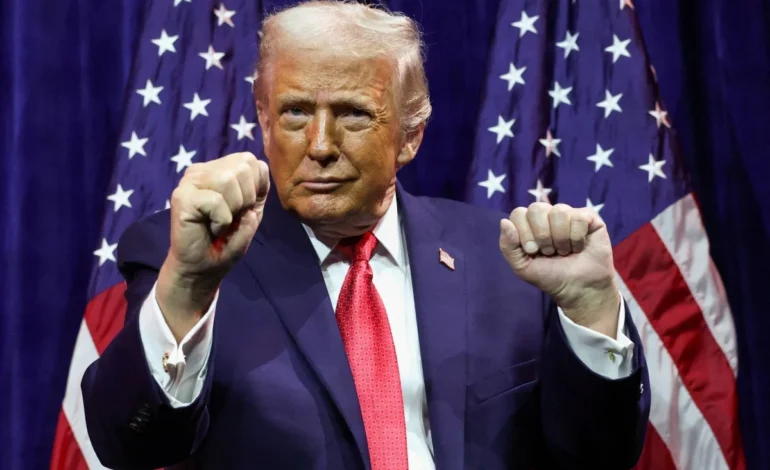
US President Donald Trump has announced that he cancelled plans for a second wave of military attacks on Venezuela, linking the decision to steps taken by the interim Venezuelan government to ease tensions with Washington, particularly the release of political prisoners. Trump framed these developments as signs that Caracas is “seeking peace,” and said renewed cooperation between the two countries means further strikes are no longer needed.
The comments came as Trump prepared to meet with top executives from major oil companies expected to invest at least US$100 billion in Venezuela’s energy sector, particularly in rebuilding its oil and gas infrastructure. Trump said this investment would be a key part of economic cooperation between the United States and Venezuela going forward, even as US military forces remain positioned nearby for security.
The apparent reversal of policy marks a significant shift in Washington’s approach. Earlier this month, US forces carried out an operation in Caracas that resulted in the capture of former president Nicolás Maduro. The dramatic intervention drew global attention, criticism from several governments and concerns about its implications under international law. Subsequently, Venezuela began releasing political detainees, a gesture that Trump seized on as evidence of cooperation, influencing his decision to call off further military action.
Trump’s remarks have underscored a dual strategy: maintaining military readiness while signalling a willingness to pivot toward economic engagement. By emphasising oil investment, the administration appears to be recasting its involvement in Venezuela from one rooted in coercion to one centred on reconstruction and commercial partnerships. Analysts say the focus on private sector investment could draw major US and international firms into Venezuela’s vast oil sector, which has long been underdeveloped due to years of economic mismanagement and sanctions.
However, the underlying tensions have not fully dissipated. US naval vessels remain on standby in the Caribbean, and Washington has continued to enforce aspects of its sanctions regime, including the seizure of tankers suspected of breaching trade restrictions. The presence of military assets underscores that while Trump has halted additional strikes, the situation remains volatile and closely watched by both regional governments and global markets.
The anticipated investment talks with oil executives reflect broader economic ambitions tied to Venezuela’s status as a country with some of the world’s largest crude reserves. Trump has stated that US corporate involvement in energy development could help stabilise global oil markets and strengthen bilateral ties. Whether this strategy will lead to durable cooperation or further friction remains uncertain, especially as political dynamics in Caracas continue to evolve.