
Trump Says Maduro Imitated His Dance Moves as He Mocked Venezuelan Leader
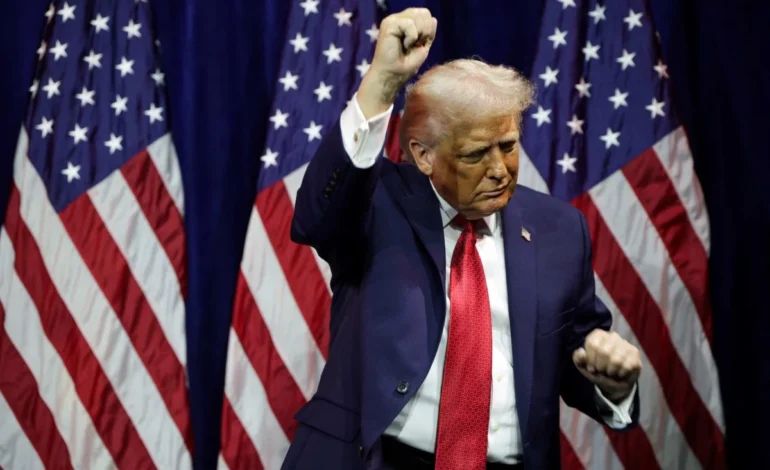
Former US president and current Republican frontrunner Donald Trump stirred laughter and controversy at a gathering of Republican lawmakers in Washington this week by claiming that Venezuela’s ousted leader Nicolás Maduro had tried to copy his distinctive dance moves in public before being captured by US forces.
Trump recounted that Maduro had appeared on stage at rallies and public events dancing in a manner he said was similar to his own signature moves on campaign stages. He suggested that the Venezuelan leader’s upbeat and seemingly carefree dancing, often set to techno remixes of his own slogans, gave the impression that Maduro was not taking the mounting pressure from Washington seriously. According to US news reporting, White House insiders interpreted Maduro’s dancing as a factor in the decision to move against him militarily last weekend.
“He gets up there and he tries to imitate my dance a little bit,” Trump told the crowd, injecting humour into a broader speech that praised the recent raid by US special forces that resulted in Maduro’s arrest. The remarks were delivered at the rebranded Trump-Kennedy Centre, where Trump also touched on domestic policy priorities ahead of the 2026 election cycle.
Amid the amusement and applause, Trump joked about the reaction his dancing gets back home. He said his wife, Melania Trump, “hates it” when he busts out moves, describing them as unpresidential. Trump shared an exchange in which Melania reportedly told him that former president Franklin D. Roosevelt dancing would seem strange, prompting laughter in the room as Trump defended his own style of stage antics.
The episode illustrates Trump’s penchant for blending personal anecdotes and humor with political messaging. His comments about Maduro’s dancing were framed not just as comic relief but as part of a narrative about Venezuelan defiance and alleged disrespect for US warnings before the military operation. Trump also used the moment to criticize Maduro’s leadership alongside other charges such as violence and alleged abuses, though he offered few detailed substantiated claims in his remarks.
Maduro’s public appearances before his removal from power often included energetic and theatrical elements, including dancing and singing as part of political rallies and broadcasts. These performances were a hallmark of his charismatic, populist style and were widely shared on social media. Trump’s framing of these moments as imitation of his own moves was clearly intended to ridicule the Venezuelan leader and to underscore his own larger-than-life public persona.
While the dancing narrative captured attention and sparked amusement among Trump’s supporters, critics say it trivialises the serious geopolitical and humanitarian context surrounding the recent US military action in Venezuela. They argue that mixing lighthearted cultural references with discussions of military intervention risks distracting from the profound consequences of such decisions.
As Trump continues to court Republican voters ahead of key primaries later this year, his playful invocation of dancing both his own and that of his recent adversary highlights how personality and performance remain central components of his political style. Whether this approach resonates beyond his base will be tested in the coming months as the campaign unfolds.



