Trump Slams What He Calls a ‘Decaying’ Europe While Pressuring Ukraine on Elections
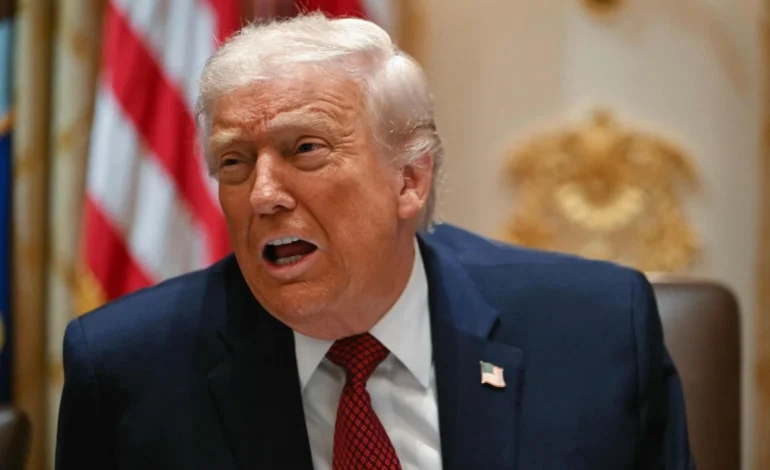
US President Donald Trump has again directed strong criticism at European partners, accusing the continent of becoming weak, poorly governed and overwhelmed by immigration. His remarks have reignited concerns about Washington’s shifting approach to traditional alliances at a time when global tensions remain high. Speaking with characteristic bluntness, Trump described Europe as “decaying” and claimed that many countries were being “destroyed” by policies that he argues fail to control migration or protect national security. His comments quickly drew reactions across the Atlantic, with some European officials calling them inaccurate while others warned that such rhetoric could further strain cooperation during a critical geopolitical moment.
Pressure on Ukraine Raises Confusion and Concern
Alongside his criticism of Europe, Trump also turned attention to Ukraine by pushing the country to move ahead with elections despite the challenging circumstances it faces. Ukraine remains in the middle of an active conflict, and many analysts believe holding elections under current conditions would be difficult and potentially destabilising. Trump, however, framed the issue as one of responsibility and political legitimacy, suggesting that Ukraine must demonstrate democratic progress to maintain international support.
Ukrainian leaders were left navigating the tension between meeting expectations from Washington and ensuring that any electoral process can be safe, transparent and credible. With millions displaced and parts of the country still under threat, the question of when and how to conduct elections remains heavily debated domestically and internationally.
A Growing Distance Between the US and Europe
Trump’s latest remarks come at a time when the relationship between the United States and Europe is already facing pressure from disagreements over defence spending, trade policy and the future of NATO. By describing European countries as weak and ineffective, Trump reinforces a narrative he has used for years, one that urges allies to take on more financial and military responsibility. Critics say this approach undermines unity and signals unpredictability to adversaries.
European governments have tried to balance their responses, acknowledging the need for stronger defence capabilities while rejecting Trump’s framing of Europe as collapsing or directionless. Analysts note that the continent is indeed facing serious challenges, including economic uncertainty and migration pressures, but argue that cooperation rather than confrontation is necessary to address them.
Global Implications for Security and Diplomacy
Trump’s rhetoric has broader implications for international diplomacy. At a moment when conflicts are intensifying and alliances are being tested, strong US European cooperation is seen as vital for maintaining global stability. Comments that depict Europe as failing risk weakening that cooperation and raising doubts about the reliability of US commitments.
For Ukraine, the stakes are even higher. The country’s future depends heavily on sustained political, economic and military support from Western partners. Mixed signals about expectations and timelines could complicate Ukraine’s decision making and affect morale during an already difficult period.
A Moment Reflecting Shifting Global Dynamics
Trump’s comments highlight a world in which political alliances are becoming more fluid and uncertainties more pronounced. His criticism of Europe and pressure on Ukraine reveal a foreign policy approach shaped by blunt assessments and demands for rapid action. Whether these statements lead to policy changes or remain part of Trump’s political rhetoric, their impact on global perceptions is clear. Allies are left to interpret how firmly the United States intends to stand with them, while adversaries watch for signs of division.
As the international landscape continues to evolve, the reactions to Trump’s statements will help shape how the United States, Europe and Ukraine navigate a moment defined by competition, conflict and shifting power balances.