Trump Suspends Green Card Lottery After Campus Shootings Spark Immigration Debate
Policy shift follows deadly university attacks
US President Donald Trump has ordered the suspension of the United States green card lottery programme following deadly shootings linked to a foreign national who entered the country through the scheme. The decision comes after attacks near Brown University and Massachusetts Institute of Technology that left students dead and others wounded, reigniting a heated national debate over immigration screening and public safety.
The move marks one of the most consequential immigration policy actions since Trump’s return to office, tying a long standing visa programme directly to concerns over national security and violent crime.
How the green card lottery works
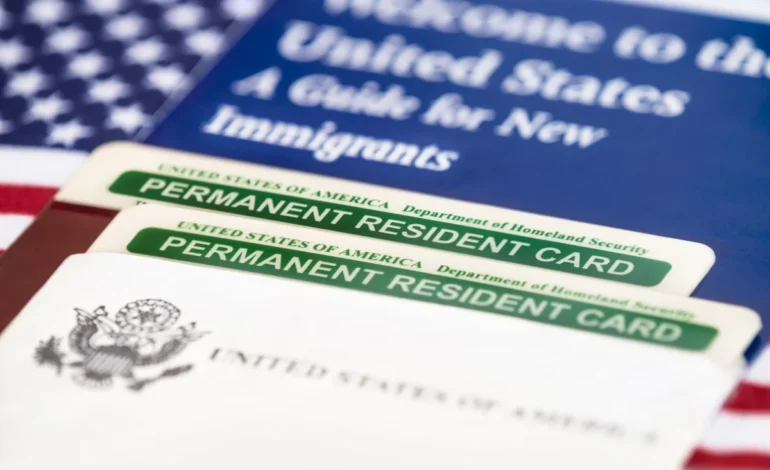
The green card lottery, formally known as the Diversity Visa Programme, was created to allow individuals from countries with historically low rates of immigration to the United States to apply for permanent residency. Each year, tens of thousands of applicants are selected at random, provided they meet basic eligibility requirements related to education and background checks.
Critics have long argued that the programme relies too heavily on chance rather than merit or security based criteria. Supporters, however, say it promotes diversity and offers opportunities to people who might otherwise have no legal pathway to the US.
Administration links programme to suspect’s entry
The White House said the suspension was prompted by the discovery that the suspect in the Brown University and MIT shootings entered the United States through the lottery system. The suspect, identified as Claudio Neves Valente, was a Portuguese national who authorities say later carried out the attacks before being found dead from a self inflicted gunshot wound.
Homeland Security Secretary Kristi Noem said in a public statement that the president had directed immediate action. She announced that the United States Citizenship and Immigration Services would pause the programme while the administration reviews its security implications. Describing the shootings as heinous, Noem said the suspect should never have been allowed into the country.
Political reaction and public response
The decision has drawn sharp reactions across the political spectrum. Supporters of the suspension argue that it addresses a clear vulnerability in the immigration system and sends a strong message that public safety will take precedence over symbolic programmes. Within Trump’s political base, the move has been framed as decisive action following tragedy.
Opponents, however, warn against drawing broad conclusions from a single case. Immigration advocates say linking violent crime to an entire visa programme risks stigmatizing immigrants and ignores the fact that the vast majority of lottery recipients never commit serious crimes. They argue that existing background checks already screen for criminal history and that policy decisions should be based on data rather than emotion.
Security concerns versus immigration principles
At the heart of the debate is a familiar tension between security and openness. Trump’s decision reflects his long held skepticism of immigration systems he views as insufficiently selective. By suspending the lottery, the administration is signaling a preference for immigration pathways that prioritize skills, economic contribution, or explicit national interest criteria.
Whether the pause becomes permanent remains unclear. Officials have said the suspension will stay in place while a broader review is conducted, leaving open the possibility of reforms rather than outright abolition.
Impact on prospective applicants
For thousands of would be applicants around the world, the suspension creates uncertainty. Many rely on the lottery as one of the few realistic routes to permanent residency in the United States. A prolonged pause or cancellation could reshape migration patterns, particularly for applicants from countries with limited alternative visa options.
Universities, employers, and immigrant communities are watching closely, aware that changes to one programme can ripple across the wider immigration system.
Campus safety and policy consequences
The shootings at Brown University and MIT have already prompted discussions about campus security and mental health support. Now they are also influencing national immigration policy. Critics caution that responding to violence with immigration restrictions risks oversimplifying complex problems, while supporters argue that government has a duty to act swiftly when systems appear to fail.
A defining moment for immigration policy
Trump’s suspension of the green card lottery underscores how individual tragedies can accelerate policy shifts. By tying immigration directly to campus violence, the administration has reframed the debate in stark terms. As investigations conclude and reviews proceed, the future of the diversity visa programme will test how the US balances security concerns with its long standing identity as a nation shaped by immigration.