Trump Xi Summit Preparations Face Uncertainty as Planning Gaps Raise Concerns in Beijing
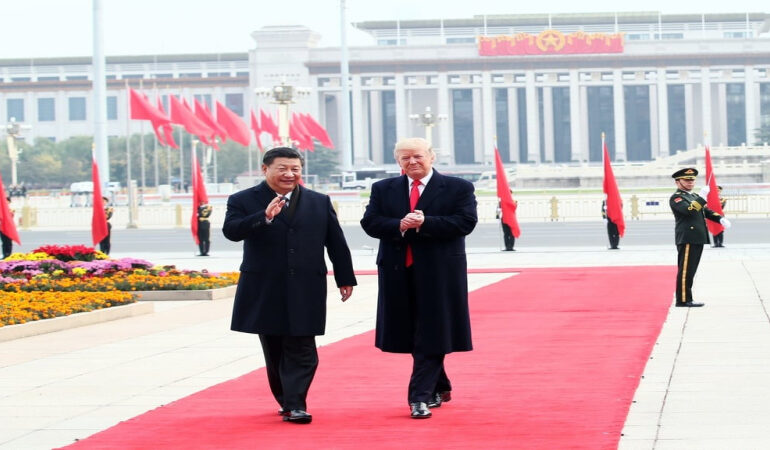
Preparations for a potential summit between US President Donald Trump and Chinese President Xi Jinping are reportedly facing delays and coordination gaps, raising uncertainty in Beijing less than six weeks before the expected meeting.
Analysts and former officials familiar with bilateral planning say diplomatic contacts have been limited and working level coordination remains thin. The absence of detailed agenda setting and structured preparatory negotiations has reduced expectations for major breakthroughs, even as both sides publicly signal interest in stabilizing relations.
Observers attribute part of the shortfall to differences in leadership style and political culture. Trump has historically favored direct engagement and rapid deal making, often relying on personal diplomacy rather than extended bureaucratic preparation. His approach prioritizes visible outcomes and headline agreements, sometimes at the expense of incremental policy groundwork.
Beijing, by contrast, traditionally prefers meticulously choreographed summits. High level meetings involving Xi are typically preceded by extensive negotiations to ensure deliverables are clearly defined and public messaging is tightly managed. Chinese officials are said to be uneasy with uncertainty surrounding summit structure, protocol and potential policy announcements.
The timing of the proposed meeting is sensitive. Trade tensions between the world’s two largest economies remain elevated despite intermittent negotiations. Tariff policies, technology restrictions and supply chain realignments continue to shape bilateral economic ties. While recent signals suggest both sides are seeking to reduce volatility, strategic competition in advanced technologies and security issues remains intense.
A lack of preparatory momentum could limit the scope of agreements. Previous summits between US and Chinese leaders often produced joint statements or framework understandings covering trade, investment or geopolitical coordination. Without detailed prior engagement at the ministerial level, analysts warn that expectations may need to be tempered.
At the same time, markets are closely monitoring developments. Investors view high level dialogue as a stabilizing mechanism that can reduce policy unpredictability. Even symbolic gestures of cooperation can influence global trade sentiment, currency movements and capital flows.
Differences in diplomatic process also reflect broader contrasts in governance systems. China’s centralized political structure places strong emphasis on message discipline and carefully calibrated outcomes. The US system, particularly under Trump, has shown greater tolerance for improvisation and public negotiation.
Despite the current planning gaps, both governments retain incentives to prevent further deterioration in ties. Economic interdependence remains significant, and global supply chains are still deeply intertwined. A summit, even with limited deliverables, could provide a platform to manage disputes and clarify red lines in trade and technology policy.
As the tentative meeting window approaches, the pace and substance of preparatory discussions will determine whether the encounter serves as a symbolic handshake or a substantive step toward recalibrating one of the most consequential bilateral relationships in the global economy.