Trump’s Calculated Restraint on Venezuela Raises Questions of Strategy, Power and Global Rivalry
President Donald Trump’s cautious approach toward Venezuela has highlighted a deeper strategic dilemma for Washington as it tries to maintain influence in Latin America while avoiding dangerous escalation in an increasingly competitive global landscape shaped by China and Russia.
While some critics have interpreted Trump’s reluctance to approve direct military intervention as a sign of hesitation, analysts argue that the reality is more complex. The United States, they say, is not stepping back from Venezuela but instead recalibrating how it projects power in the region. The focus has shifted toward pressure tactics that fall short of open conflict, allowing Washington to pursue its objectives without becoming entangled in another prolonged military confrontation.
Under the Trump administration, Venezuela has remained a central target of US foreign policy. Washington continues to reject the legitimacy of President Nicolas Maduro and has framed his government as a threat to regional stability. Rather than relying on troop deployments, the White House has intensified economic sanctions, diplomatic isolation, and maritime enforcement actions designed to restrict Caracas’s access to revenue and international support.
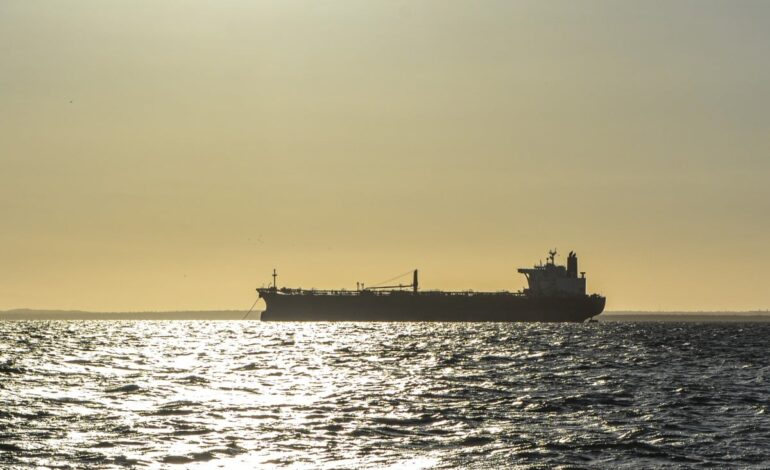
This strategy has been presented publicly through what US officials describe as Operation Southern Spear. The initiative has been justified as an effort to combat drug trafficking networks and counter what Washington has labeled a regime with links to foreign criminal and extremist groups. Naval patrols and increased monitoring in the Caribbean have formed a visible part of this campaign, signaling resolve while stopping short of direct military engagement on Venezuelan soil.
Observers note that this measured approach is shaped not only by conditions in Venezuela but also by broader geopolitical calculations. China’s expanding economic footprint across Latin America has forced Washington to think carefully about where and how it deploys its power. Beijing has invested heavily in infrastructure, energy, and trade partnerships throughout the region, including in Venezuela, creating long term ties that military action alone would not dismantle.
Russia’s political and security cooperation with Caracas has further complicated the picture. A direct US intervention could risk confrontation with Moscow while offering uncertain prospects for a stable outcome. By contrast, sustained economic and diplomatic pressure allows the United States to challenge Maduro’s government while managing escalation risks in a multipolar world.
Supporters of Trump’s approach argue that restraint should not be confused with retreat. They see it as a pragmatic effort to preserve US leverage while avoiding the costs of another overseas conflict. Critics counter that sanctions have deepened Venezuela’s humanitarian crisis without producing decisive political change.
As Washington weighs its next moves, Venezuela remains a test case for how the United States adapts its regional leadership to an era of global competition. The balance between assertiveness and restraint is likely to define US policy not just toward Caracas, but across Latin America as a whole.