Trump’s Iran Tariffs Put Pressure on China to Rethink Trade Strategy With Tehran
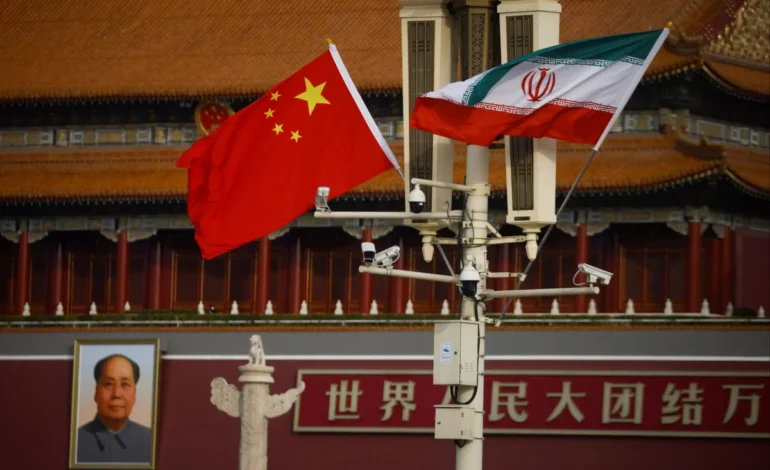
The United States’ latest move to impose secondary tariffs on countries trading with Iran is expected to raise China’s oil import costs in the short term and force Beijing to reassess how it manages one of its most sensitive overseas economic relationships. Analysts say the measures send a clear warning that Washington is prepared to use trade tools aggressively to shape geopolitical outcomes.
Under the new policy announced by Donald Trump, countries maintaining commercial ties with Iran face punitive tariffs on their exports to the US. The approach goes beyond traditional sanctions by directly targeting third-party trade, increasing the cost of doing business with Tehran even for nations that do not recognise US jurisdiction over such dealings.
For China, Iran is a key supplier of discounted crude oil, helping Chinese refiners manage costs at a time of uneven domestic demand and tight global energy markets. While Beijing has not officially acknowledged large-scale imports of Iranian oil, analysts widely believe significant volumes enter China through indirect channels, ship-to-ship transfers, and relabelling practices. Trump’s tariffs threaten to complicate these arrangements and raise transaction risks.
In the immediate term, higher compliance costs, insurance premiums, and logistical uncertainty are likely to push up the effective price China pays for Iranian crude. Energy analysts say this could narrow the discount China enjoys and force refiners to consider alternative suppliers, potentially from the Middle East, Russia, or Africa, where pricing is often less favourable.
Beyond oil, the tariffs underscore a broader challenge for Beijing. China has consistently opposed unilateral sanctions, arguing that trade with Iran is legal and should not be subject to US pressure. However, Washington’s willingness to penalise third countries limits Beijing’s room to manoeuvre, particularly as Chinese exporters remain deeply exposed to the US market.
China’s policymakers now face a delicate balancing act. On one hand, Iran is a strategic partner in energy security and regional diplomacy. On the other, escalating trade friction with the US could harm China’s broader economic interests at a time when growth remains fragile and export competitiveness is under strain.
Analysts say Beijing may respond by quietly adjusting trade mechanisms rather than making overt policy shifts. This could include increasing the use of intermediaries, expanding settlement in non-dollar currencies, or deepening energy cooperation under long-term frameworks that are harder to disrupt. However, each option carries added cost and complexity.
The tariffs also revive debate within China about overreliance on politically sensitive trade routes. Some experts argue the situation highlights the need to further diversify energy imports, accelerate domestic energy transition efforts, and reduce exposure to external chokepoints shaped by US policy.
At the same time, China is unlikely to make abrupt moves that could be seen as capitulating to pressure. Beijing has historically resisted what it views as economic coercion and may frame any adjustments as technical or market-driven rather than political concessions.
For Iran, the implications are equally serious. China has been one of the few major buyers willing to maintain oil ties despite years of sanctions. If Chinese imports become more costly or constrained, Tehran’s already limited export options could shrink further, increasing financial strain.
The broader message of Trump’s tariffs extends beyond China and Iran. By targeting trade partners rather than just sanctioned states, Washington is signalling a tougher, more expansive use of economic power. That approach is likely to influence how major economies assess risk in politically sensitive trade relationships.
In the coming months, China’s response will be closely watched. Whether Beijing absorbs higher costs, reshapes trade routes, or accelerates diversification will reveal how it plans to protect its strategic interests in an increasingly confrontational global trade environment.