Twenty Five Schoolgirls Abducted in Nigeria as Kidnapping Crisis Continues to Grow
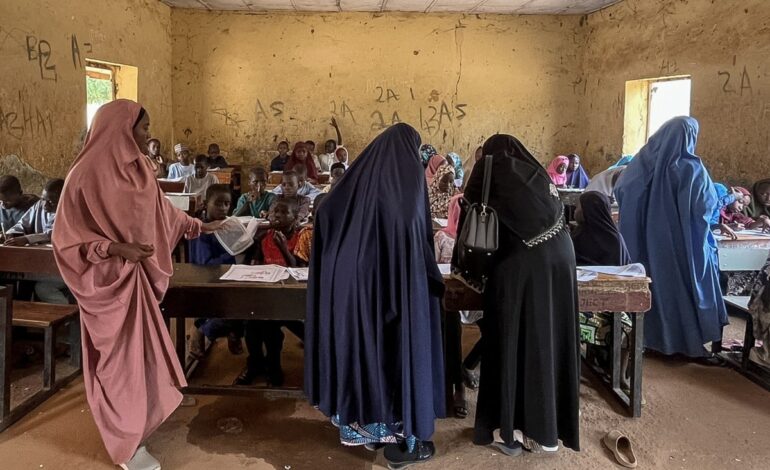
Nigeria is once again facing a heartbreaking reminder of its long running kidnapping crisis after gunmen attacked a girls secondary school in the country’s northwest, abducting twenty five students and killing a staff member in the early hours of Monday morning. Police confirmed the incident and said security forces had launched a search operation to locate the victims and track down the criminal gang responsible.
The assault has brought renewed attention to the persistent insecurity affecting northern Nigeria, where communities continue to face violent raids by armed groups that operate largely without restraint. Parents of the abducted schoolgirls gathered outside the school in fear and disbelief, with many saying they had hoped that large scale school kidnappings had become less common. Instead, the latest attack has revived painful memories of earlier tragedies.
The incident echoes one of the darkest moments in Nigeria’s recent history, when two hundred seventy six schoolgirls were taken from their dormitories in the town of Chibok in Borno state more than ten years ago. That mass abduction captured worldwide attention and led to the creation of the Bring Back Our Girls campaign, which grew into a global movement that pressured authorities to intensify rescue efforts. While some of the Chibok girls were later found or released, many remain missing.
Since that time, numerous other attacks targeting schools have taken place across northern Nigeria. Armed groups have repeatedly discovered that kidnapping students can generate ransom payments and attract international visibility, making educational institutions particularly vulnerable. This recurring pattern has created widespread fear among families and has disrupted schooling for thousands of children in the region.
Security analysts note that many of these armed groups are motivated by financial gain rather than ideological goals. They frequently travel across remote rural areas where government presence is limited, making it difficult for authorities to respond quickly. Local communities often rely on informal warning networks and volunteer groups, but these efforts have not been enough to deter organized criminal gangs.
In the wake of the latest abduction, state officials have pledged to strengthen security around schools and increase patrols in vulnerable districts. However, residents say that previous promises have not led to long term improvements. Many parents argue that until the government invests in better intelligence gathering, stronger community engagement and more reliable security infrastructure, schools will continue to face significant risks.
Humanitarian organizations have also expressed concern about the psychological trauma experienced by students in affected areas. Repeated exposure to violence has caused many families to withdraw their children from school, limiting educational opportunities and deepening the region’s social challenges.
The kidnapping of the twenty five girls has once again underscored the urgent need for coordinated action to address insecurity in northern Nigeria. As search operations continue, families and local communities wait anxiously for news of their loved ones.