U.S. reconsiders Tanzania ties after deadly post-election crackdown
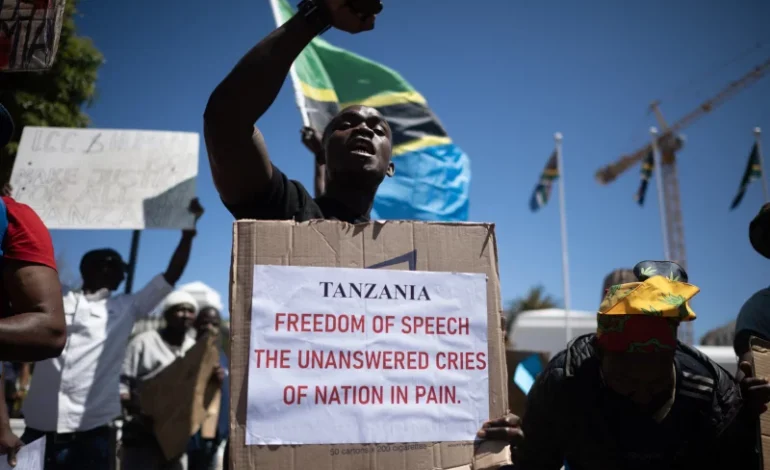
The United States is reassessing its relationship with Tanzania following what the State Department has described as a deeply troubling wave of repression and violence in the aftermath of the country’s disputed October 2025 presidential election. President Samia Suluhu Hassan was declared the winner, but opposition parties and rights groups say the vote was marred by irregularities and followed by a harsh crackdown against protesters.
In a statement, U.S. officials said they are “comprehensively reviewing” diplomatic, security and development ties with Tanzania, warning that the government’s actions raise serious questions about its reliability as a partner. Washington’s reassessment marks one of the strongest signals yet of deteriorating relations between the two countries.
Reports emerging from Tanzania paint a grim picture. The main opposition party, along with the United Nations and multiple human rights organisations, estimate that hundreds of civilians may have been killed during demonstrations that broke out after the election results were announced. The government has not released an official death toll, and independent verification has been limited due to restrictions on journalists and observers.
Images and testimony from affected regions suggest that security forces deployed lethal force, arrested protesters en masse and imposed communications blackouts. Activists say the government’s heavy-handed tactics have created an atmosphere of fear, making it difficult to document abuses fully.
President Samia Suluhu Hassan, who came to power in 2021 promising reforms and greater openness, is now facing accusations of backsliding on democratic commitments. Opposition leaders argue the election lacked transparency and that the crackdown reflects an increasingly authoritarian stance. The government denies wrongdoing and insists it acted to restore order after what it described as violent unrest.
For the United States, Tanzania has historically been a key regional partner particularly in health programmes, security cooperation and trade but American officials indicate that those ties cannot remain unaffected if democratic norms are undermined. A shift in Washington’s approach could affect aid flows, diplomatic engagement and Tanzania’s standing in international forums.
Regional actors are also watching closely. East Africa has seen a series of contested elections and political crises in recent years, and Tanzania’s turmoil adds to worries about democratic decline across the continent. Civil society groups are urging international partners to apply pressure while supporting efforts to investigate alleged abuses.
As the U.S. review continues, rights organisations are calling for an independent inquiry into the violence, accountability for security forces and meaningful political dialogue between the government and opposition. Whether the Tanzanian authorities will respond to those demands remains unclear.
What is certain is that the post-election crackdown has dramatically reshaped Tanzania’s relationship with one of its most influential allies and may have long-lasting consequences for both the country’s international partnerships and its internal political future.