U.S.-Taiwan Semiconductor Deal Reshapes Trade and Investment Ties
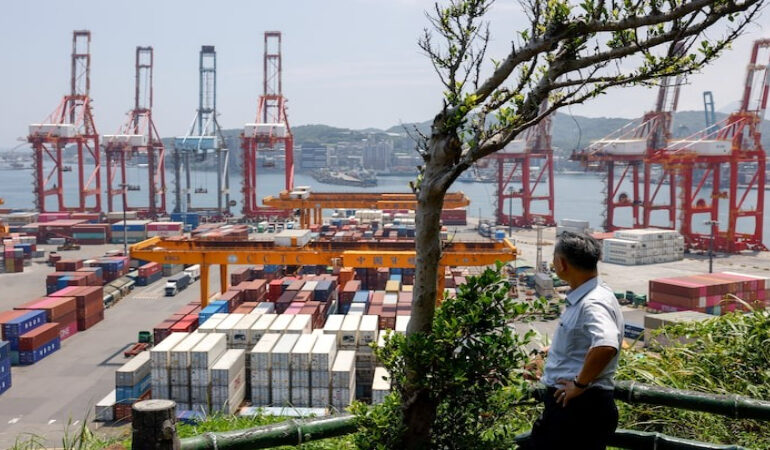
The United States and Taiwan have reached a trade agreement that places semiconductors at the center of a broader effort to reshape technology supply chains and deepen industrial cooperation. The deal lowers tariffs on a wide range of Taiwanese exports while creating incentives for chipmakers to expand manufacturing capacity inside the United States. Officials framed the agreement as a strategic economic step designed to strengthen resilience in critical technologies, particularly as global demand for advanced chips continues to rise. The arrangement reflects Washington’s focus on securing reliable access to semiconductor production while encouraging overseas partners to anchor more of their operations in the US market. For Taiwan, whose economy is deeply tied to high-value manufacturing, the agreement offers a pathway to maintain competitiveness amid shifting trade and geopolitical conditions.
Under the terms of the deal, semiconductor producers that expand production in the United States will benefit from reduced tax rates on chips imported into the country. Broader tariffs applied to many other Taiwanese exports are also set to fall, easing trade frictions across multiple sectors. Certain goods, including pharmaceuticals and specialized industrial components, will face zero tariffs, signaling an effort to streamline supply chains for products considered strategically important. In return, Taiwanese technology companies are expected to commit substantial investment to US-based projects spanning semiconductors, energy, and artificial intelligence. These commitments build on earlier pledges and underscore how trade policy is increasingly linked to long term capital deployment rather than short term market access alone.
The agreement also includes financial mechanisms intended to support sustained investment, with Taiwan providing significant credit guarantees to enable future expansion. This approach highlights a shift toward structured industrial partnerships, where governments play a more active role in coordinating private sector investment. For the United States, attracting advanced manufacturing capacity is seen as critical to maintaining leadership in emerging technologies and reducing exposure to external supply disruptions. For Taiwan, closer economic integration offers both opportunities and risks, as deeper ties with one major partner may complicate its broader trade relationships. The deal illustrates how semiconductor policy has become a central pillar of economic strategy rather than a narrow sectoral concern.
The timing of the agreement underscores the strategic weight attached to semiconductor manufacturing in global trade discussions. As competition over advanced technology intensifies, trade deals are increasingly used to lock in investment commitments and align industrial priorities. The US-Taiwan agreement signals a model in which market access, tariffs, and capital flows are negotiated together to achieve policy objectives. While implementation details will unfold over time, the framework reflects a growing consensus that semiconductors are foundational to economic security. The deal is likely to influence how other technology-producing economies approach trade negotiations as governments seek to balance openness with strategic control.