Ukraine’s Allies Back Robust Security Guarantees as Ceasefire Talks Gain Momentum
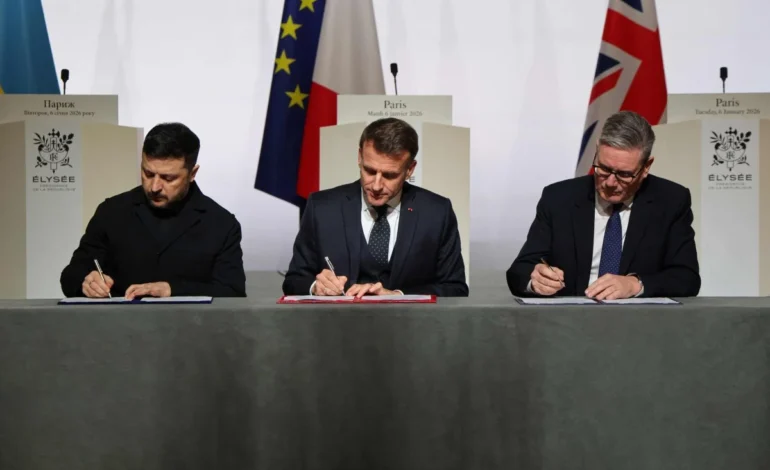
Ukraine’s Western allies have agreed on a package of what they described as robust security guarantees for Kyiv, marking a significant step in diplomatic efforts aimed at ending the war with Russia. The agreement reflects growing coordination among the United States and European powers as they prepare for the possibility of a ceasefire and the complex security challenges that would follow.
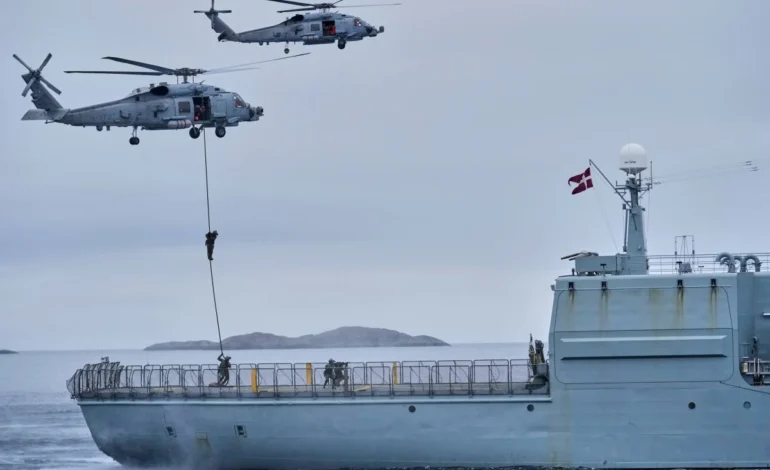
Officials involved in the talks said the guarantees would include a US led monitoring mechanism to oversee compliance with any ceasefire agreement, alongside the potential deployment of a European multinational force on Ukrainian territory. The force, expected to be led by United Kingdom and France, would be activated only after hostilities are formally halted and would focus on deterrence, training and stabilization rather than direct combat.
The discussions brought together representatives from Ukraine and its key Western partners, including the United States, as well as several European Union and NATO member states. Participants stressed that the goal is to provide Ukraine with long term security assurances strong enough to discourage renewed aggression, while stopping short of immediate NATO membership, which remains politically sensitive.
Under the proposed framework, the US led monitoring mechanism would rely on satellite intelligence, aerial surveillance and on the ground verification teams to assess adherence to ceasefire terms. European officials said this layer of oversight is intended to increase transparency and reduce the risk of miscalculation during the fragile post ceasefire period.
The idea of deploying European troops has drawn particular attention. While still subject to political approval in individual countries, officials indicated that such a force would be multinational and limited in scope. Its presence would serve as a visible signal of European commitment to Ukraine’s sovereignty and security, without crossing red lines that could escalate tensions further.
However, uncertainty looms over how Russia would respond. Moscow has consistently opposed the presence of foreign troops in Ukraine and may view the deployment as a provocation, even if it follows a ceasefire. Analysts warn that Russia’s acceptance or rejection of the guarantees could determine whether a negotiated pause in fighting evolves into a durable peace or collapses under renewed pressure.
Ukrainian officials welcomed the agreement, describing it as a critical step toward ensuring that any ceasefire does not simply freeze the conflict and leave the country vulnerable. Kyiv has repeatedly argued that previous security assurances failed to prevent aggression, making enforceable and credible guarantees essential this time.
European leaders involved in the talks emphasized that the guarantees are not a substitute for diplomacy but a complement to it. They argued that clear security arrangements could create the conditions necessary for meaningful negotiations by reassuring Ukraine and clarifying consequences for violations.
The agreement also highlights a broader shift in Europe’s security posture. With the war reshaping regional priorities, European powers are taking on a more active role in shaping post conflict arrangements, even as they continue to rely on US leadership for intelligence and coordination.
As diplomatic efforts continue, the focus will turn to refining the details and gauging Russia’s response. While significant hurdles remain, the alignment among Ukraine’s allies suggests a determination to move beyond short term crisis management toward a more structured approach to ending the war.