UN Rights Chief Accuses Israel of West Bank Apartheid in Landmark Assessment
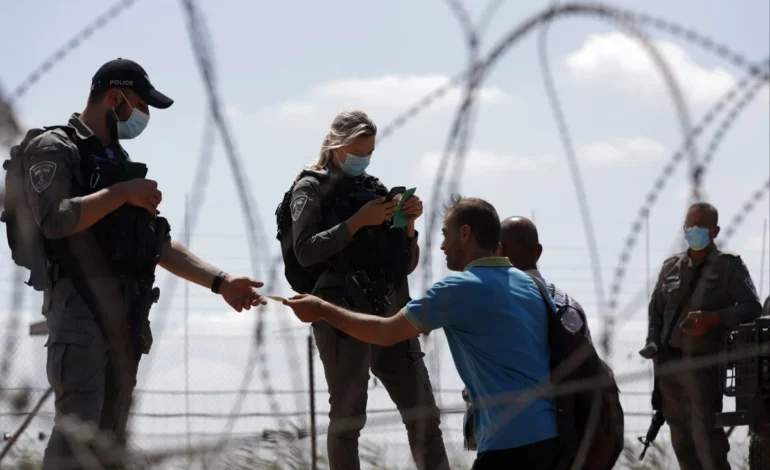
The United Nations has for the first time formally accused Israel of operating an apartheid system in the occupied West Bank, marking a significant escalation in international criticism of Israeli policies toward Palestinians. The assessment was delivered by the UN’s top human rights official, who said patterns of discrimination, segregation and unequal treatment meet the legal threshold of apartheid under international law.
In a report presented this week, the UN human rights chief said Palestinians living in the West Bank are subjected to systematic discrimination that affects nearly every aspect of daily life. The findings highlight differences in legal systems, movement restrictions, access to land and resources, and political rights between Israeli settlers and Palestinian residents living in the same territory.
While UN appointed experts and independent investigators have previously used the term apartheid to describe the situation in the occupied Palestinian territories, this is the first time the label has been adopted by the head of the UN human rights system itself. Observers say the shift carries symbolic and diplomatic weight, even if it does not immediately change conditions on the ground.
The report describes a dual legal structure in the West Bank, where Israeli settlers are governed by Israeli civil law while Palestinians are subject to military law. According to the UN, this arrangement results in unequal standards of justice, with Palestinians facing harsher penalties, limited legal protections and fewer avenues for appeal.
Restrictions on movement were also cited as a central element of discrimination. Palestinians must navigate checkpoints, roadblocks and permit systems that limit travel for work, education and medical care. By contrast, Israeli settlers enjoy freedom of movement and access to infrastructure that is often off limits to Palestinians.
The UN further pointed to land allocation and settlement expansion as evidence of entrenched inequality. Large areas of the West Bank have been designated for settlement use or military zones, restricting Palestinian development and contributing to overcrowding and economic hardship. Water access and agricultural land use were also highlighted as areas where Palestinians face persistent disadvantages.
Israel has strongly rejected the accusation, calling it politically motivated and inaccurate. Israeli officials argue that security concerns drive many of the policies cited in the report and insist that comparisons to apartheid are inflammatory and harmful. The government maintains that the West Bank is a disputed territory and that its status should be resolved through negotiations.
The findings are likely to deepen existing diplomatic tensions. Some countries welcomed the report as a necessary acknowledgment of long standing grievances, while others expressed concern that the language could harden positions and complicate peace efforts. The United States has historically opposed the use of the term apartheid in relation to Israel, and it remains unclear how Washington will respond to the UN’s latest position.
Palestinian officials said the report validates decades of claims about systemic injustice and called for concrete international action. They urged governments and international institutions to move beyond statements and consider accountability measures.
Human rights organizations say the significance of the report lies less in its immediate impact and more in how it reshapes global discourse. By formally adopting the apartheid designation, the UN’s rights chief has raised the stakes of international scrutiny and reinforced pressure on the global community to confront the realities of prolonged occupation.
As the conflict continues with no political settlement in sight, the report underscores how deeply entrenched the situation has become. Whether the new language leads to policy changes or remains largely symbolic will depend on how governments choose to respond.