UN Says Gaza Famine Has Ended but Warns Food Crisis Remains Severe
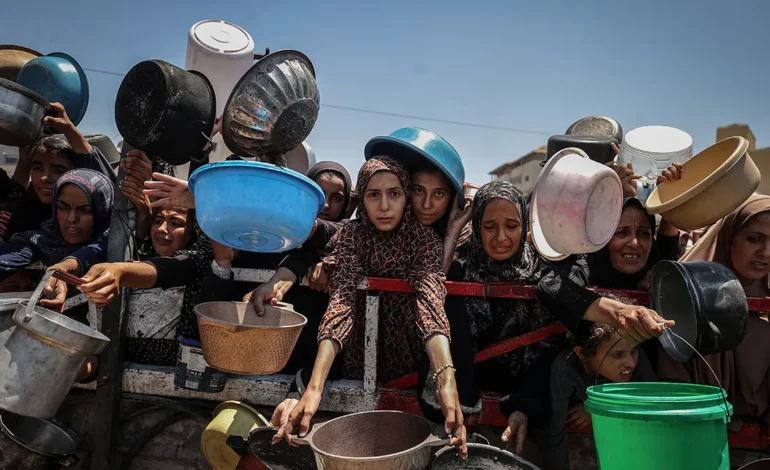
The United Nations has announced that the famine declared in Gaza earlier this year is officially over, citing improved humanitarian access, but warned that living conditions across the territory remain extremely fragile and the risk of renewed crisis is high.
In an update released on Friday, the UN said that increased aid deliveries since late summer had helped ease the most extreme levels of hunger that led to a formal famine declaration in August. However, officials stressed that the overall food security situation is still critical, with large sections of the population struggling to meet basic needs amid ongoing instability.
According to the UN, more than 70 percent of Gaza’s residents are currently living in makeshift shelters after months of displacement and destruction. Many families are exposed to harsh winter conditions, with recent flooding worsening living standards and raising the risk of hypothermia as temperatures drop. Aid agencies say shelter shortages and damaged infrastructure continue to undermine recovery efforts.
The improvement in food access has been linked partly to a ceasefire between Israel and Hamas that came into effect in October. The pause in fighting has allowed some humanitarian supplies to enter Gaza more regularly than during earlier phases of the conflict. However, the UN cautioned that aid delivery remains inconsistent, varying from day to day and unevenly distributed across different areas of the territory.
The Integrated Food Security Phase Classification Initiative, a global monitoring body that works with the UN to assess hunger risks, said that no parts of Gaza are currently classified as being in famine conditions. This marks a technical improvement from earlier assessments, when large sections of the population faced extreme food shortages and starvation risks.
Despite the change in classification, humanitarian groups argue that the situation on the ground remains deeply troubling. Oxfam said hunger in Gaza is still widespread, calling it both appalling and preventable. The organization accused Israel of continuing to block or delay aid from humanitarian agencies, limiting the ability of relief groups to respond effectively to ongoing needs.
Oxfam and other charities say that while some food is reaching Gaza, it is not arriving in sufficient quantities or with the predictability needed to stabilize households. Many families remain dependent on sporadic food distributions, while access to clean water, healthcare and sanitation remains severely constrained.
The UN echoed these concerns, warning that any disruption to aid flows or renewed escalation in fighting could quickly reverse recent gains. Officials stressed that the end of famine status does not mean the end of hunger, and that sustained access for humanitarian agencies is essential to prevent another crisis.
As diplomatic efforts continue to support the fragile ceasefire, aid groups are urging all parties to prioritize civilian needs and ensure unimpeded humanitarian access. They warn that without long term solutions, including reconstruction and reliable supply chains, Gaza’s population will remain at constant risk of slipping back into extreme food insecurity.