UN Voices Concern Over Rising Tensions in the Caribbean
The United Nations has expressed growing concern over escalating tensions in the Caribbean, with Secretary General Antonio Guterres urging all parties to exercise restraint and move toward immediate de escalation. The call came amid heightened political and security pressure following recent actions involving the United States and Venezuela.
According to a UN spokesperson, the secretary general is closely monitoring developments in the region and remains actively engaged with relevant stakeholders to prevent further deterioration of the situation.
Call to Respect International Law
Speaking at a daily UN briefing, deputy spokesperson Farhan Haq said Guterres has called on all involved parties to honor their obligations under international law. This includes adherence to the UN Charter and other applicable legal frameworks designed to preserve peace and stability.
The message from the UN leadership emphasized that respect for international norms is essential to avoid miscalculation and unintended consequences. The Caribbean, a region with deep economic and political interconnections, remains particularly sensitive to external pressure and confrontation.
Emphasis on Peaceful Resolution
The secretary general has reiterated that disputes must be resolved through peaceful means. According to Haq, Guterres firmly believes that dialogue and diplomacy remain the only viable paths to addressing differences between states.
Rather than escalation, the UN is encouraging continued communication among all parties involved. Diplomatic engagement, Haq said, is critical at this stage to prevent the situation from spiraling further.
Role of the Security Council
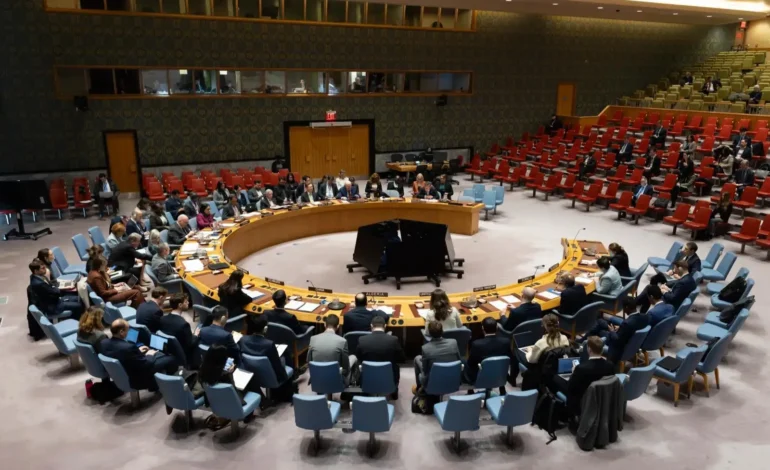
If Venezuela formally raises the issue at the United Nations, it is likely to be taken up by members of the Security Council. The council would then be responsible for examining the situation and determining any collective response in line with its mandate to maintain international peace and security.
While no formal action has yet been announced, the UN has made clear that established multilateral mechanisms exist to address disputes of this nature.
U.S. Action Raises Stakes
Tensions intensified after U.S. President Donald Trump announced that he had ordered a total blockade of all sanctioned oil tankers traveling to and from Venezuela. The move represents a significant escalation in Washington’s pressure campaign against the government of President Nicolas Maduro.
The decision has drawn international attention due to its potential impact on regional stability, energy markets, and humanitarian conditions. Critics argue that such measures risk broadening the dispute beyond bilateral tensions.
Venezuela Responds With Condemnation
Venezuela swiftly denounced the U.S. action, describing it as a violation of international law. Officials in Caracas have stated that they intend to bring the matter before the United Nations, framing the blockade as an unlawful act that threatens national sovereignty.
The response underscores the seriousness with which Venezuela views the situation and signals that the dispute may soon enter formal multilateral channels.
UN Pushes for Continued Dialogue
At this stage, the UN believes sustained diplomatic engagement is essential. Haq stressed that pursuing a peaceful way forward through dialogue remains the priority, even as tensions rise.
The secretary general’s appeal reflects the UN’s broader role as a mediator and advocate for stability. By urging restraint and de escalation, the organization aims to prevent further polarization and protect peace in the Caribbean region.