Unitree G1 Humanoids Stun Audiences with Synchronized Front Flips
Robots Turn Live Performance into a Viral Moment
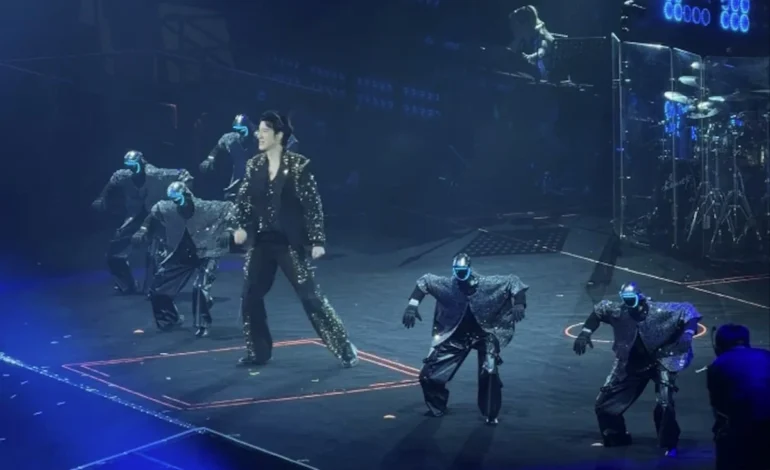
Humanoid robotics took a dramatic leap into the cultural spotlight after six Unitree G1 robots delivered a synchronized front flip during a live concert in Chengdu. The performance unfolded last Thursday and quickly spread across social media, captivating global audiences who are more accustomed to seeing robots in laboratories than on stage. The spectacle gained further momentum when Elon Musk publicly praised the display as impressive, amplifying international attention.
A Concert Blending Technology and Pop Culture
The robots appeared as backup dancers during a performance of the song Open Fire by Wang Leehom. Dressed in shimmering silver tops and black leather trousers, the humanoids blended seamlessly with human dancers. Their choreography included arm swings leg kicks pivots and coordinated movement that demonstrated precise timing and balance. The highlight came when the robots executed synchronized front flips, drawing loud reactions from the crowd and marking a rare moment where advanced robotics intersected with mainstream entertainment.
Why the Front Flip Matters
While the performance was visually striking, the front flip itself represents a major technical achievement. Humanoid robots face significant challenges when performing dynamic movements that require balance force control and rapid coordination across multiple joints. Successfully executing a front flip in synchrony shows not only mechanical strength but also advanced motion planning and real time control. For researchers and engineers, this moment signals progress toward robots capable of operating fluidly in unpredictable environments.
Inside the Unitree G1 Design
The Unitree G1 humanoid was launched in 2024 by Unitree Robotics and has since attracted attention for its compact yet powerful design. Standing about one point two seven meters tall and weighing roughly thirty five kilograms, the robot is built for agility rather than sheer size. Depending on configuration, it features between twenty three and forty three joints, allowing a wide range of motion. With peak torque reaching up to one hundred twenty Newton meters and a movement speed of two meters per second, the G1 is engineered for dynamic tasks.
Elon Musk Reaction Fuels Global Interest
The performance gained a second wave of visibility after Elon Musk commented on it online. His brief endorsement resonated widely, reflecting his long standing interest in humanoid robotics. Musk’s reaction underscored how public demonstrations can influence perception as much as technical papers or industry announcements. A single word of praise from a high profile figure helped turn a concert moment into a global talking point about the future of robotics.
Entertainment as a Testing Ground
Using live entertainment as a showcase offers unique advantages for robotics companies. Concerts present complex real world conditions including lighting changes sound vibrations and unpredictable timing. Successfully performing under these conditions demonstrates robustness that controlled lab tests cannot fully replicate. It also shifts public perception of robots from purely functional machines to expressive interactive entities capable of sharing human spaces.
What This Signals for Humanoid Robots
The viral success of the Unitree G1 performance suggests that humanoid robots are moving beyond experimental prototypes. As their mobility and coordination improve potential applications expand across logistics healthcare service industries and public engagement. Performances like this accelerate acceptance by showing robots not as distant technology but as visible participants in everyday experiences.
A Glimpse of What Comes Next
While a synchronized front flip does not define the full future of humanoid robotics, it symbolizes a turning point. The combination of engineering achievement cultural relevance and public enthusiasm points toward a future where robots are increasingly present in social and creative spaces. The Unitree G1 moment in Chengdu may be remembered as more than entertainment, serving as a snapshot of how quickly robotics is advancing into public life.