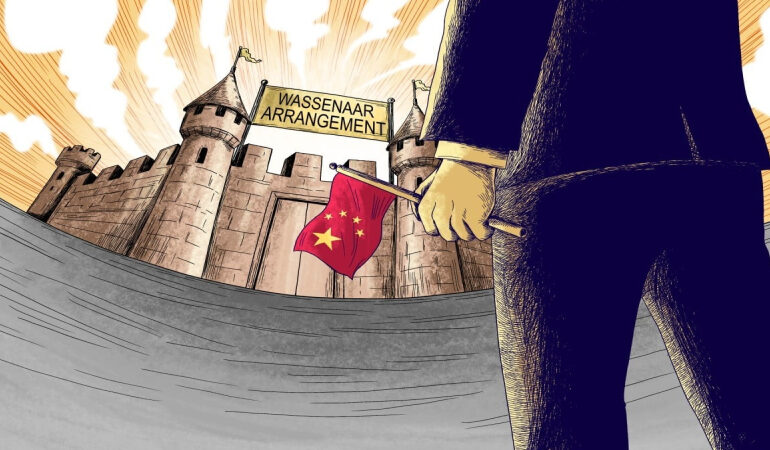
US accuses China of rapid nuclear arsenal expansion amid calls for new arms pact
The United States has accused China of significantly expanding its nuclear weapons arsenal, renewing calls for Beijing to participate in future multilateral arms control negotiations following the expiration of the New Start treaty earlier this month.
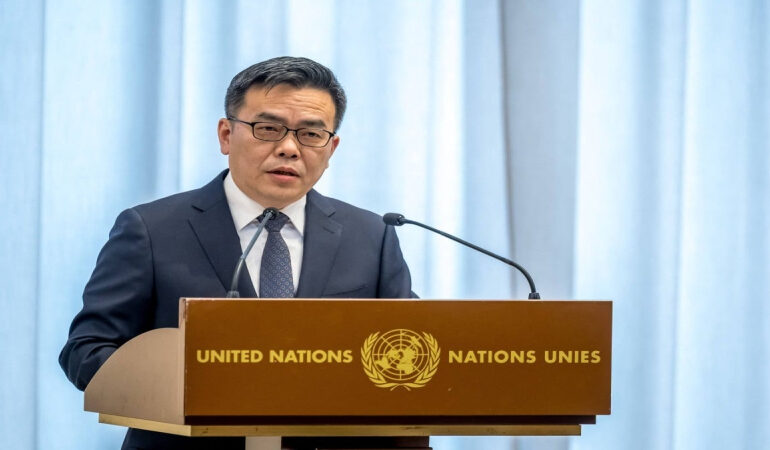
Speaking at the United Nations Conference on Disarmament in Geneva, US Assistant Secretary of State for Arms Control and Non Proliferation Christopher Yeaw said China’s nuclear build up has been rapid and opaque. He argued that the now expired New Start agreement between Washington and Moscow failed to account for what he described as an unprecedented expansion of China’s strategic capabilities.
New Start, signed in 2010, had placed limits on deployed strategic nuclear warheads and delivery systems held by the United States and Russia, the world’s two largest nuclear powers. With the treaty no longer in force, Washington has suggested that a new framework could provide an opportunity to negotiate a broader agreement that includes additional nuclear armed states, particularly China.
US officials have also reiterated concerns about alleged secret nuclear tests by Beijing, though China has consistently denied conducting activities that violate international commitments. Washington maintains that greater transparency is needed to reduce strategic uncertainty and avoid miscalculation among major powers.
China’s representatives at international disarmament forums have previously defended the country’s nuclear posture as defensive in nature, emphasizing a long standing policy of no first use of nuclear weapons. Beijing has argued that its nuclear arsenal remains significantly smaller than those of the United States and Russia, and that further reductions by the two largest nuclear powers should precede any multilateral negotiations.
Independent assessments in recent years have indicated that China is modernizing its nuclear forces, including the development of new missile silos, submarine based deterrents and advanced delivery systems. Analysts attribute part of this shift to evolving security dynamics in the Asia Pacific region and heightened tensions with the United States.
The end of New Start has intensified debate over the future of global arms control architecture. Without binding limits in place, experts warn of the potential for a renewed arms race among major powers. Efforts to revive dialogue face diplomatic challenges, particularly amid broader geopolitical rivalries.
At the Geneva conference, delegates from multiple countries called for renewed commitment to strategic stability and risk reduction. While Washington has signaled openness to negotiating a successor framework, it has made clear that any future arrangement should reflect what it views as the changing balance of nuclear capabilities worldwide.