US advances hybrid and GMO wheat research to revive declining crop economics
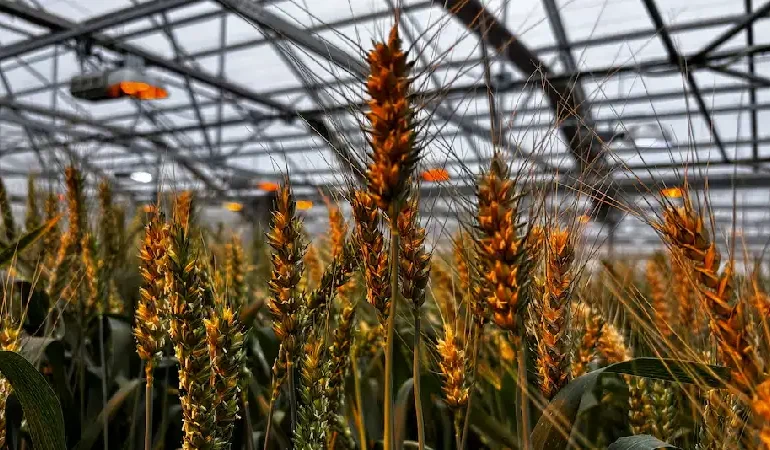
US researchers and agritech companies are intensifying efforts to revive the struggling wheat sector by developing hybrid and genetically modified seeds designed to boost yields and improve resilience against climate stress. Scientists are experimenting with advanced genetic traits, including drought resistance, as the industry faces declining acreage, weakening domestic demand, and rising global competition. The push reflects a broader attempt to modernize wheat production, which has lagged behind crops like corn and soybeans in technological innovation, leaving farmers with limited productivity gains over recent decades.
New hybrid wheat varieties are emerging as a potential breakthrough, promising more consistent yields under challenging environmental conditions. Researchers are leveraging advances in DNA sequencing and plant breeding to overcome the complexity of wheat genetics, which has historically made hybridization difficult and costly. Agribusiness firms are now moving closer to commercialization, with some projecting significant yield improvements that could make wheat farming more profitable. Early adoption remains limited, but expanding research trials and production efforts suggest that hybrid wheat could gain traction if cost barriers are reduced and performance gains are validated in large scale farming.
At the same time, genetically modified wheat is being explored as a complementary solution, with scientists testing traits such as drought tolerance and herbicide resistance. Experimental crops incorporating these features are still in controlled environments or early stage trials, with field testing expected in the coming years. Researchers believe that GMO technology could eventually deliver additional benefits, including improved grain quality and enhanced nutritional value. However, regulatory approval processes and market acceptance remain key challenges, particularly given historical resistance among wheat buyers compared to other genetically modified crops.
Industry experts note that the US wheat sector has been losing ground globally, no longer holding its previous position as the leading exporter. Changing dietary preferences, including reduced consumption of wheat based products, have contributed to shrinking demand, while competing producers offer lower cost alternatives in international markets. Farmers have increasingly shifted to other crops that deliver higher returns, using wheat primarily in rotation to maintain soil health. This trend has underscored the urgency of technological innovation to restore competitiveness and sustain long term production.
Agricultural economists highlight that hybrid seeds played a transformative role in boosting yields for crops like corn, but similar breakthroughs have been slower to materialize for wheat. Recent progress suggests that the gap may finally be narrowing, supported by lower research costs and improved breeding techniques. Companies are investing heavily in development pipelines, with expectations of commercial releases within the next few years. However, adoption will depend on whether farmers are willing to invest in higher priced seeds and whether productivity gains can offset additional costs.
Additional context shows that the future of wheat production is increasingly tied to global food security, climate resilience, and agricultural innovation. As extreme weather events become more frequent, the ability to cultivate crops that can withstand drought and variable conditions is becoming critical. Advances in seed technology are also linked to broader shifts in digital agriculture, where data driven systems and precision farming tools are reshaping how crops are managed and optimized across large scale operations.
Recent developments indicate that the US wheat industry is entering a period of transition, with hybrid and genetically modified seeds offering a potential pathway to renewed growth. Ongoing research, field trials, and regulatory processes will determine how quickly these technologies reach commercial scale. While challenges remain, the combination of scientific innovation and industry investment suggests that efforts to modernize wheat production are gaining momentum as stakeholders seek to secure the future of one of the world’s most essential crops.