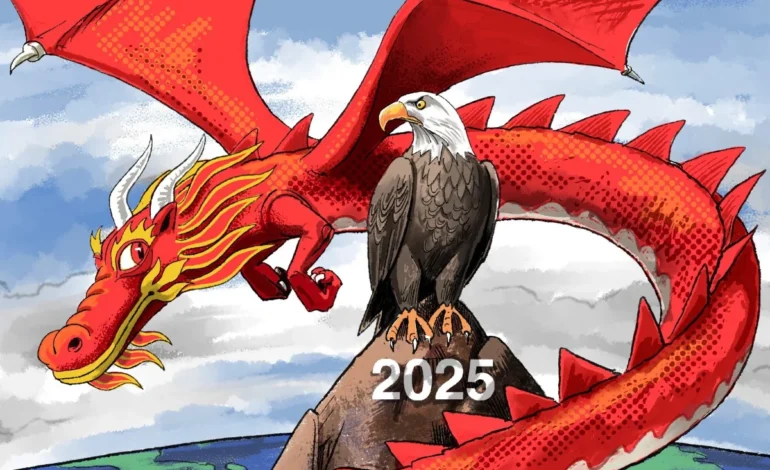
US Arms Approval Signals Shift in Taiwan Defence Approach
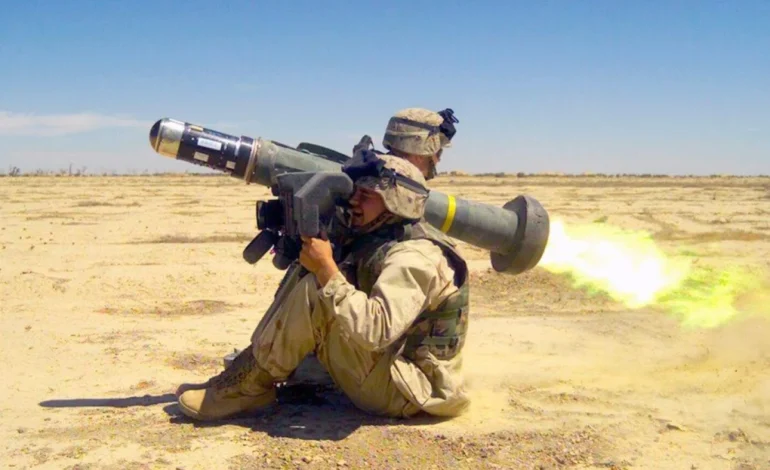
The United States has approved a weapons package worth around eleven point one billion dollars for Taiwan, marking what is reported to be the largest arms deal in the island’s history. Analysts say the move aligns closely with Taipei’s efforts to demonstrate greater responsibility for its own defence at a time when Washington is pressing allies to carry more of the security burden.
The approval comes amid renewed focus from US President Donald Trump on ensuring partners invest more heavily in self defence. For Taiwan, the deal serves both a military and political purpose, reinforcing deterrence while signaling commitment to Washington’s expectations.
Reassuring Washington on Defence Burden Sharing
Taiwan’s leadership has been under growing pressure to show that it is not relying solely on US military backing. Trump has repeatedly emphasized that allies should contribute more to their own security and avoid drawing the United States into costly conflicts.
Analysts note that the newly approved package fits neatly into this framework. By securing advanced weapons and increasing defence spending, Taipei is seeking to reassure Washington that it is serious about protecting itself and reducing the likelihood of direct US involvement in a future conflict.
Focus on Asymmetric Capabilities
A key feature of the arms package is its emphasis on asymmetric warfare capabilities. Rather than investing primarily in large conventional platforms, Taiwan is prioritizing systems designed to make any potential invasion costly and complex.
Bonnie Glaser, vice president of the German Marshall Fund of the United States, described the weapons as focused on preventing a People’s Liberation Army invasion. She noted that these systems are designed to exploit Taiwan’s geography and impose high risks on an attacking force, strengthening deterrence without matching China platform for platform.
The Porcupine Strategy Explained
Taiwan’s evolving defence posture is often described as a porcupine strategy. The concept centers on making the island extremely difficult to attack by deploying large numbers of mobile, survivable, and relatively low cost weapons.
These include missile systems, air defence units, sea mines, and unmanned platforms that can operate even if major bases are damaged. Supporters argue that such an approach increases resilience and complicates enemy planning, reducing the chances of a quick or decisive assault.
Alignment With US Strategic Priorities
From Washington’s perspective, the arms deal supports a broader strategy of deterrence without escalation. Trump has made clear that avoiding direct war is a priority, particularly with major powers. Encouraging Taiwan to strengthen its own defences fits that goal.
Glaser pointed out that Trump wants Taiwan to spend more and acquire the capabilities needed to defend itself. The package, she said, is consistent with that logic, as it supports self reliance rather than dependence on immediate US intervention.
Regional and Political Implications
The size and nature of the arms deal are likely to draw strong reactions from Beijing, which views US arms sales to Taiwan as interference in its internal affairs. At the same time, the approval sends a signal to other US partners in the region that Washington expects concrete defence investments alongside political alignment.
For Taiwan, the deal reinforces its position as a serious security partner while navigating complex cross Strait tensions. The focus on defensive systems also allows Taipei to frame its actions as deterrent rather than provocative.
Balancing Deterrence and Stability
Taiwan’s defence planning increasingly reflects a balance between strengthening deterrence and avoiding steps that could trigger rapid escalation. Asymmetric systems are seen as more stabilizing than highly visible offensive platforms, even though they still enhance military capability.
Analysts argue that this approach improves Taiwan’s chances of withstanding pressure while buying time for diplomatic and international responses in a crisis.
A Calculated Signal to Washington
Ultimately, the arms package is as much about messaging as hardware. By aligning its defence investments with US strategic thinking, Taiwan aims to maintain strong political support in Washington while adapting to a shifting global security environment.
The deal underscores a broader trend in US alliance management, where reassurance increasingly depends on visible burden sharing rather than assumptions of automatic protection.