US Automakers Face Risk of Falling Behind as China Advances in EV and Self Driving Technology
Major US automakers including General Motors and Ford Motor are confronting a period of intense disruption that could redefine their global standing in the automotive industry. Industry analysts warn that without significant progress in electric vehicles and self driving technology, long established manufacturers risk being reduced to niche producers of gasoline powered pickups and sport utility vehicles primarily sold in the domestic market.
The auto sector traditionally relies on long planning cycles, often requiring four or more years to design and launch a new model. That process depends heavily on stable regulatory frameworks and predictable consumer demand. Today, however, carmakers are navigating tariffs, shifting government policies, rising competition from Chinese manufacturers and rapid technological change. Sales growth has slowed across key markets, while profit margins are under pressure.
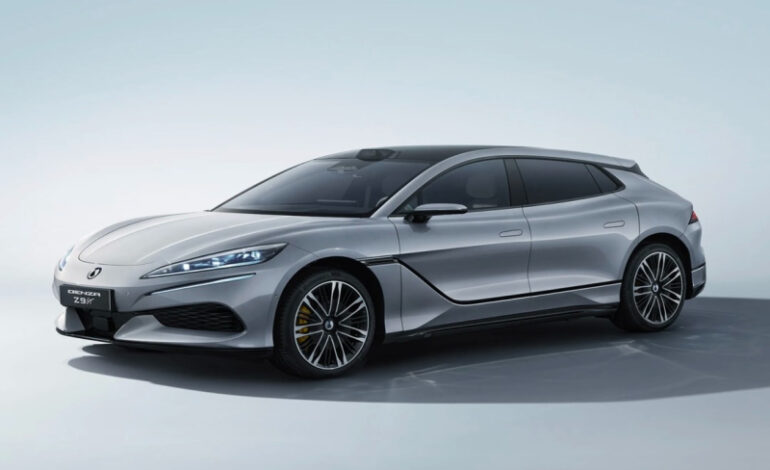
Chinese automakers such as BYD have rapidly expanded their presence in electric vehicles, supported by advancements in battery technology, cost efficiency and vertically integrated supply chains. At the same time, technology focused companies including Tesla have reshaped consumer expectations by emphasizing software performance, over the air updates and autonomous driving capabilities. In this environment, horsepower and mechanical engineering alone no longer define competitiveness.
US policy shifts have added another layer of complexity. The rollback of certain clean air regulations and fuel economy standards has provided short term relief for domestic manufacturers that depend heavily on profitable trucks and SUVs. Yet many industry observers caution that relying too heavily on gasoline powered vehicles could undermine long term competitiveness as global markets accelerate toward electrification.
Electric vehicle adoption continues to expand worldwide despite fluctuations in subsidies and consumer sentiment. Improvements in battery energy density and charging speed are narrowing the cost gap between electric and internal combustion vehicles. Analysts expect that within several years, many electric models could reach price parity with traditional cars while offering significantly lower operating costs.
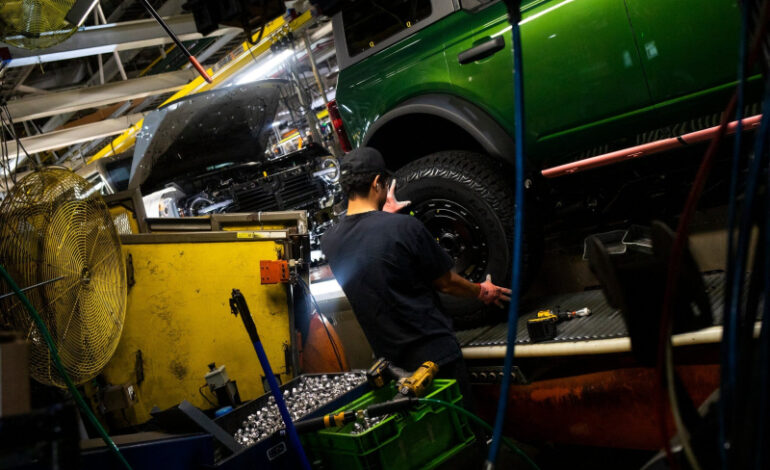
Established automakers face structural challenges in this transition. Legacy manufacturing systems, dealership networks and labor agreements were built around internal combustion engines. Reconfiguring production lines for electric platforms requires substantial capital investment. Moreover, many traditional companies have struggled to match the software integration and battery efficiency achieved by newer competitors.
Autonomous driving technology is also reshaping the competitive landscape. Companies developing self driving systems and robotaxi services are redefining mobility from vehicle ownership toward transportation as a service. This shift places software development and data processing at the core of automotive strategy.
Executives within the industry acknowledge that the current period combines regulatory uncertainty, geopolitical competition and technological transformation on a scale rarely seen before. The strategic decisions made in the next few years will likely determine whether US automakers remain influential global players or retreat into a narrower market position focused primarily on domestic demand.