US Dollar and Gold Edge Higher as Venezuela Shock Pushes Investors Toward Safety
Geopolitical shock ripples through global markets
Global financial markets shifted into defensive mode following fresh developments involving Venezuelan leader Nicolás Maduro, triggering renewed concern about political stability in Latin America. The news prompted investors to reassess risk exposure, leading to increased demand for traditional safe haven assets. As uncertainty rose, the US dollar strengthened against a basket of major currencies, while gold prices moved higher as capital flowed into assets perceived as more secure during periods of geopolitical stress.
Why safe havens still matter in volatile times
Periods of political disruption often generate swift market reactions, even when the events occur outside major economic centers. Investors tend to prioritize liquidity and capital preservation, which explains the renewed appeal of the US dollar and gold. The dollar benefits from its role as the world’s primary reserve currency and its deep, liquid markets. Gold, by contrast, serves as a store of value that is not directly tied to any single government or monetary policy. Together, these assets often rise when confidence in riskier markets weakens.
Dollar strength reflects broader global dynamics
The rise in the US dollar was not driven by Venezuela alone but amplified by an already cautious global environment. Concerns over uneven economic growth, lingering inflation risks, and geopolitical tensions have made investors more selective. When uncertainty increases, global capital often gravitates toward the dollar, reinforcing its dominance. This trend can place pressure on emerging market currencies, particularly those with weaker external balances or higher political risk, as capital flows back to US based assets.
Gold regains appeal amid uncertainty
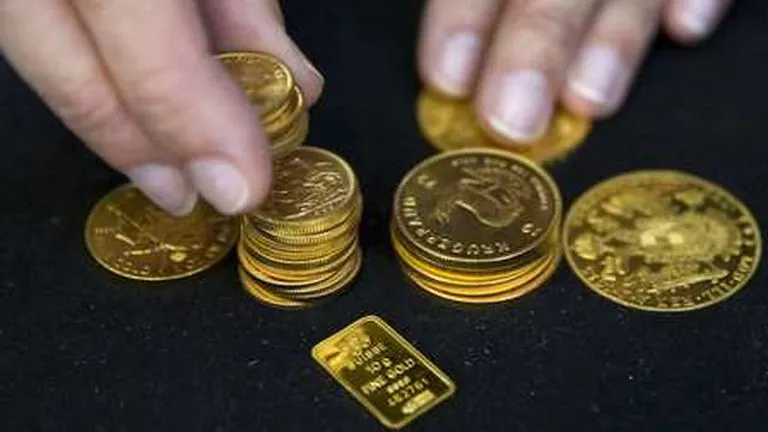
Gold’s upward movement highlights its enduring role in portfolio diversification. While prices did not surge dramatically, the steady rise signals a defensive adjustment rather than panic. Investors often use gold as a hedge against both geopolitical shocks and potential currency volatility. Central banks have also played a role in supporting demand, with many continuing to add gold to their reserves as part of long term risk management strategies. This structural demand has helped underpin prices even during periods of stronger dollar performance.
Yuan resilience draws analyst attention
Amid the broader market shifts, China’s currency has remained relatively stable. Analysts note that the Chinese yuan has shown resilience despite global volatility and a strong US dollar. Some forecasts suggest the yuan could strengthen to around 6.8 against the dollar in 2026, supported by China’s trade surplus, controlled capital flows, and policy measures aimed at maintaining currency stability. This outlook contrasts with the pressure faced by many other emerging market currencies during periods of heightened risk aversion.
Implications for investors and policymakers
The latest market moves underscore how quickly geopolitical events can influence financial sentiment. For investors, the episode reinforces the importance of diversification and risk management, particularly in an environment where political shocks can emerge with little warning. For policymakers, it highlights the interconnected nature of global markets, where instability in one region can ripple across currencies, commodities, and capital flows. Managing expectations and maintaining credible policy frameworks remain critical to limiting volatility.
A cautious outlook ahead
While the immediate reaction has been measured, markets are likely to remain sensitive to further developments. The balance between risk assets and safe havens will continue to shift as investors weigh geopolitical headlines against economic fundamentals. The renewed interest in the US dollar and gold suggests that caution remains the dominant theme, even as selective optimism persists in parts of the global economy.