US military presence near Venezuela raises questions about intentions
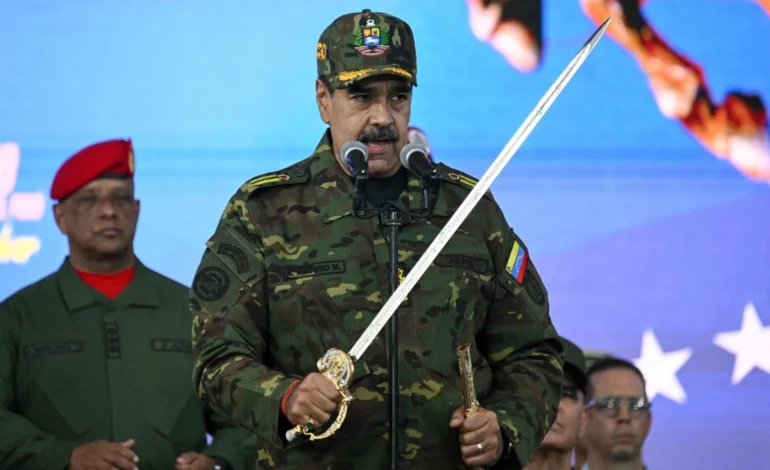
A significant buildup of United States military assets around Venezuela has triggered debate over whether Washington is preparing for a potential intervention or using the show of force as leverage in negotiations. The scale of the deployment, described by some observers as the largest in the Caribbean since the Cuban Missile Crisis, has created uncertainty about the next steps in the long, tense relationship between the two countries.
Public statements from US officials have heightened speculation. President Donald Trump said he had authorised the CIA to carry out covert operations inside Venezuela, signalling a level of engagement not previously acknowledged. At the same time, the US military has positioned troops, fighter aircraft, and warships near the Venezuelan coastline, moves that analysts say are designed to send a clear message to President Nicolas Maduro’s government.
Tensions have also affected routine operations for American personnel in the region. US service members stationed near Venezuela have been instructed not to take leave during the Thanksgiving period, a rare order that often suggests preparation for potential contingencies. In parallel, several airlines have suspended flights to Venezuela following an advisory from the Federal Aviation Administration, which warned of a hazardous environment for civilian aviation.
Adding to the pressure, the White House announced on Monday that Maduro had been designated as linked to an international terrorist organisation, a step that further escalates political and diplomatic confrontation. The designation could pave the way for broader sanctions and additional measures aimed at isolating the Venezuelan leader.
Despite these moves, analysts remain divided on whether military action is likely. Some interpret the deployment as a precursor to a targeted operation, noting that Washington has repeatedly expressed frustration with diplomatic stalemates and has increased its criticism of Maduro’s leadership. They argue that the US may be signalling its readiness to act if political conditions deteriorate further or if new security threats emerge.
Others believe the build up is intended primarily as political pressure rather than preparation for a full scale intervention. They suggest that the US government may be using the threat of military force to push for concessions on issues such as democratic reforms, prisoner releases or new electoral proposals. In this view, the increased military presence serves as a bargaining tool designed to bring Maduro’s government back to the negotiating table.
The situation has also drawn attention from regional governments, many of which are wary of potential instability or unintended consequences from any military conflict. While several countries have criticised Maduro’s leadership, few have publicly supported the idea of intervention. Humanitarian organisations have warned that any escalation could worsen the already severe economic and social crisis inside Venezuela.
For now, the intentions of the United States remain the subject of speculation. The combination of political statements, military movements and diplomatic designations has created a climate of uncertainty, leaving observers to interpret whether Washington is preparing for decisive action or strategically positioning itself to influence events without crossing the threshold into open conflict.