US Plans Temporary Tariff Increase to 15 Percent as Trade Policy Tightens
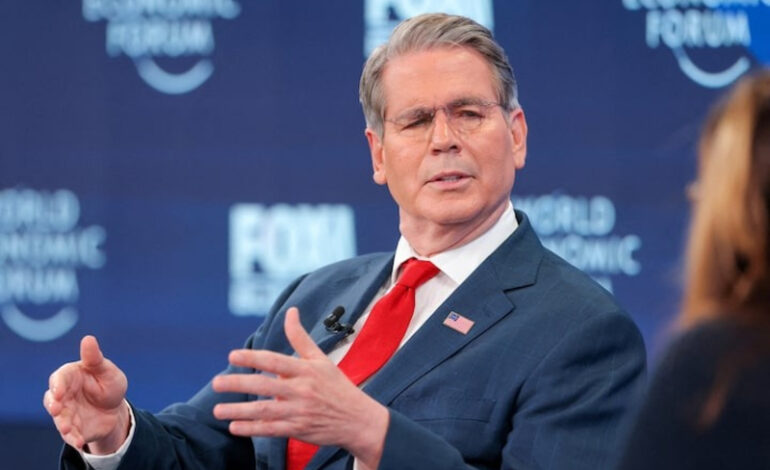
The United States is preparing to raise its temporary global import tariff rate to 15 percent from the current 10 percent, according to comments from Treasury Secretary Scott Bessent. The adjustment is expected to take effect soon as the government restructures its broader tariff policy framework.
The tariff increase forms part of a wider effort by the administration to rebuild its trade measures after earlier tariffs faced legal challenges. The temporary tariffs were introduced under Section 122 of the Trade Act of 1974, which allows the government to impose short term import restrictions for a limited period of time.
President Donald Trump initially set the tariff rate at 10 percent in late February following a ruling by the Supreme Court that struck down a previous global tariff program enacted under emergency powers. The current measures are designed to remain in place for 150 days while the government develops more permanent trade actions.
Treasury Secretary Bessent said the administration is likely to implement the higher tariff rate within days as officials continue working on additional policies that could replace the temporary program. The government is conducting several reviews that will determine how tariffs are applied across different industries and trading partners.
Two key policy tools under consideration include Section 301 tariffs and Section 232 tariffs. Section 301 measures allow the United States to impose tariffs in response to what it considers unfair trade practices by other countries. Section 232 tariffs are linked to national security concerns and can be applied to imports that are believed to threaten domestic industrial capacity.
Officials believe these legal authorities are more resilient to court challenges than the emergency powers previously used. The reviews are expected to take several months to complete, after which the government could reintroduce broader tariff measures across a range of imported goods.
Trade policy has become a central element of economic strategy as governments attempt to strengthen domestic manufacturing and protect strategic industries. Tariffs are often used to encourage local production, reduce trade imbalances and influence negotiations with international trading partners.
However higher import duties can also create ripple effects throughout global supply chains. Companies that rely on imported materials or components may face increased costs, which can eventually influence consumer prices and market competitiveness.
Financial markets and international trading partners are closely monitoring the potential tariff increase. Changes in U.S. trade policy often have wide reaching consequences for global commerce because the country remains one of the largest import markets in the world.
Economists say the short term tariff program may provide the administration with time to evaluate longer term strategies while maintaining pressure in ongoing trade disputes. During the 150 day period officials will assess how different industries respond to the higher duties and how global partners react to the policy shift.
If new tariff frameworks are introduced through Section 301 or Section 232 reviews, the United States could see import duties return to levels similar to those seen during previous trade policy initiatives.