US removal of Maduro forces Latin America to rethink China ties and Trump’s next move
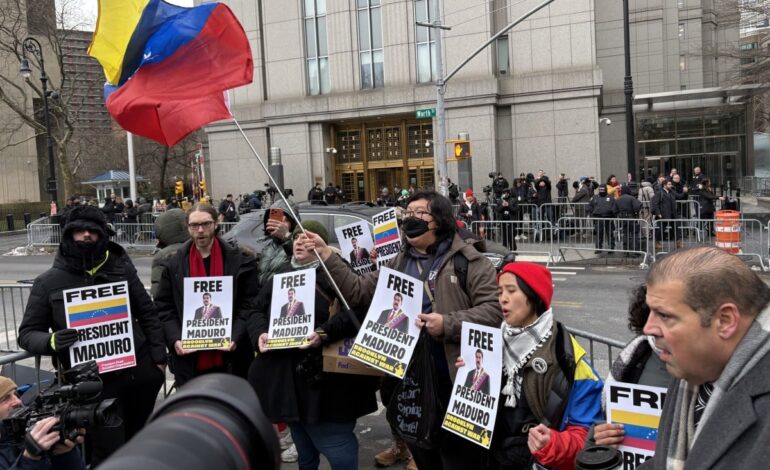
The US military operation that led to the capture of Venezuelan president Nicolás Maduro is prompting governments across Latin America to reassess their strategic assumptions about China, Russia and the limits of their protection when Washington decides to act. Analysts say the episode has sent a powerful signal that the United States is prepared to adopt a far more assertive posture in the region, reshaping diplomatic calculations from Caracas to Buenos Aires.
For years, several Latin American countries have sought to diversify their external partnerships, deepening economic and political ties with China and, to a lesser extent, Russia, partly as a hedge against US pressure. Venezuela became the most prominent example of this strategy, relying heavily on Chinese financing, energy cooperation and diplomatic backing during periods of international isolation. The sudden US intervention has raised doubts about how far those relationships can shield governments facing direct action from Washington.
Regional officials and policy advisers say the operation has highlighted a key reality. While China and Russia can provide economic support, political cover and long term strategic partnerships, neither appears willing or able to directly confront the United States militarily in the Western Hemisphere. This distinction is now being closely examined in capitals across Latin America, particularly by governments that have leaned more heavily toward Beijing in recent years.
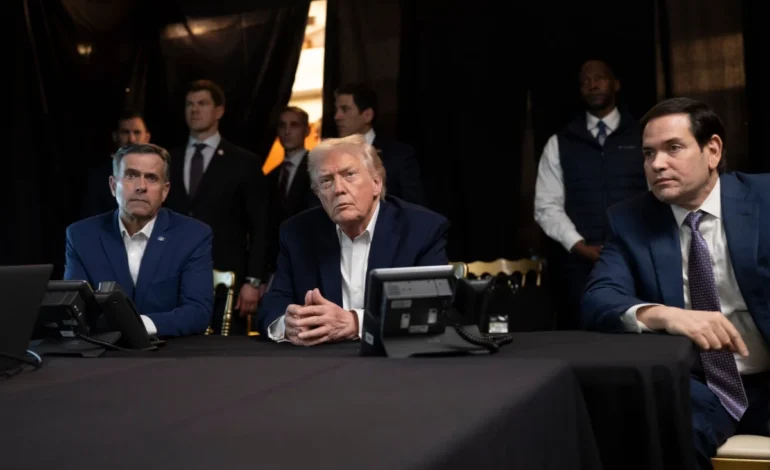
The role of Donald Trump looms large in these reassessments. Trump has signalled a willingness to break with past restraint and use force to pursue US interests in the region. Analysts say his approach reflects a broader shift in US policy that prioritises deterrence and visible action over diplomatic caution, especially when strategic resources, security concerns or geopolitical rivals are involved.
For many Latin American leaders, the immediate concern is predictability. The Maduro operation suggests that Washington is prepared to act decisively and with limited warning. Governments are now weighing whether closer alignment with China could increase their exposure to US pressure rather than reduce it. Some officials privately acknowledge that balancing relations with both powers has become more difficult as competition intensifies.
China’s response to the crisis has been notably restrained. Beijing has called for respect for sovereignty and stability but has avoided direct confrontation. This cautious stance reflects China’s broader strategy in Latin America, which emphasises long term economic engagement over security commitments. While Chinese investment and trade remain attractive, the Venezuela episode has underscored that these ties do not equate to security guarantees.
Russia’s influence in the region faces similar scrutiny. Although Moscow has cultivated defence and intelligence links with Venezuela and others, its capacity to project power so close to the United States is limited. The lack of a forceful response has reinforced perceptions that Washington retains unmatched leverage in the region.
The implications extend beyond Venezuela. Countries with significant Chinese investment in infrastructure, energy and mining are reassessing how those relationships might be perceived by the United States. Some analysts expect a period of cautious recalibration, with governments seeking to avoid actions that could be interpreted as crossing US red lines.
At the same time, the operation has revived debates about sovereignty and intervention in Latin America, a region with a long history of external interference. Public opinion in several countries remains wary of US actions, even as leaders quietly adjust their strategies.
Ultimately, the ousting of Maduro has done more than change Venezuela’s political landscape. It has forced Latin America to confront an uncomfortable question about power and protection. As the United States signals a harder line and China continues to prioritise economic influence over security commitments, governments across the region are being pushed to rethink where their true strategic risks and limits lie.