US South Command Nominee Avoids Hard Line on China After Maduro Raid
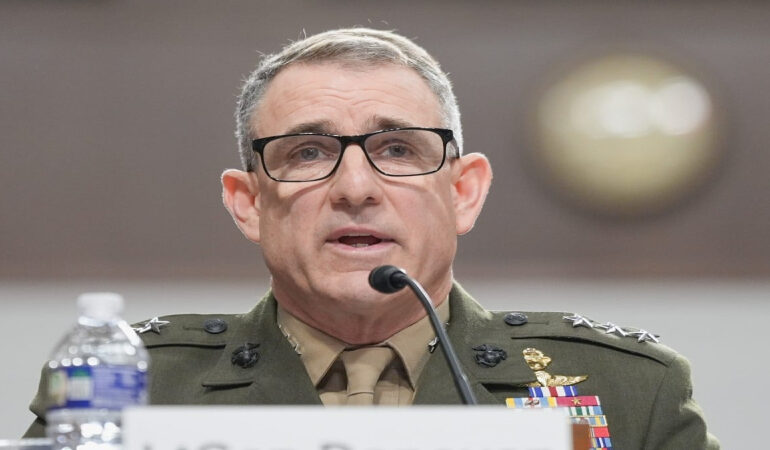
The nomination hearing for Washington’s next military commander in Latin America exposed growing uncertainty inside the United States over how aggressively to confront China’s expanding influence across the region. Appearing before the Senate Armed Services Committee, Lieutenant General Francis Donovan declined to endorse calls for a military first strategy aimed at countering Beijing, frustrating lawmakers who argue that soft engagement has failed to slow China’s advance. The hearing followed days after a dramatic US operation that removed Venezuelan leader Nicolas Maduro, an action that has already reshaped the regional security environment and intensified scrutiny of Washington’s posture. Senators repeatedly pressed Donovan to clarify whether US Southern Command would prioritize force projection against Chinese backed economic and security ties, but his responses emphasized caution and balance rather than confrontation. The exchange highlighted internal divisions in Washington as political momentum builds around a tougher global stance.
Donovan’s reluctance to commit to a militarized approach comes as China deepens its economic, technological, and infrastructure footprint throughout South America and the Caribbean. From ports and energy projects to digital networks and defense cooperation, Beijing’s presence has steadily expanded over the past decade, often filling gaps left by limited US investment. Lawmakers sympathetic to a military first doctrine argue that the Maduro operation demonstrates Washington’s willingness to act decisively and should be followed by a broader strategy to deter rivals. Others warn that excessive reliance on force could destabilize fragile governments and push the region further toward Beijing and Moscow. Donovan sought to navigate this tension by stressing the importance of integrating diplomacy, economic engagement, and security cooperation, signaling that Southcom’s mission would not be defined solely by confrontation with China.
The hearing unfolded against a backdrop of unease across Latin America, where the fallout from the Maduro raid continues to reverberate. Regional capitals are weighing the implications of an expanded US military presence in the Caribbean alongside heightened great power rivalry. China and Russia have both strengthened ties with governments seeking alternatives to Washington, offering financing, arms, and political support without governance conditions. Senators framed Donovan’s confirmation as a test of whether Southcom could adapt to this evolving landscape while protecting US interests. Yet the absence of a clear commitment to aggressive countermeasures suggested that even within the US defense establishment, there is no consensus on how far to escalate competition with China in the Western Hemisphere.
Donovan acknowledged that Beijing and Moscow present long term strategic challenges but argued that influence cannot be countered by force alone. He emphasized the need to leverage partnerships, development initiatives, and institutional cooperation alongside military capabilities. This framing contrasts with voices in Washington pushing for rapid militarization of regional policy following the Venezuela operation. As global competition intensifies, the debate over Southcom’s direction reflects a broader dilemma facing the United States: how to respond to China’s steady advance without triggering instability or eroding US credibility. The outcome of Donovan’s nomination and the strategy he ultimately pursues will shape Washington’s approach to Latin America at a moment of rising geopolitical stakes.