US UK Agreement Removes Tariffs on Medicines and Raises NHS Drug Spending
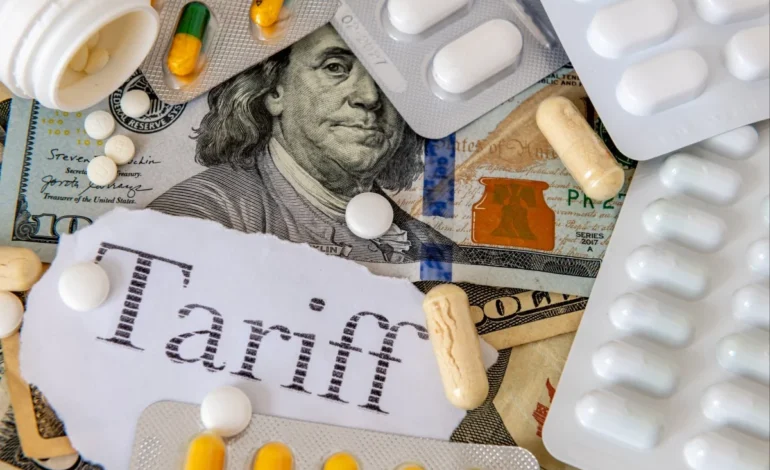
The United States and the United Kingdom have reached a new agreement that eliminates tariffs on a wide range of pharmaceutical products and medical technologies, a move expected to increase medicine spending within Britain’s National Health Service and provide fresh momentum for the pharmaceutical sector. The announcement was made on Monday by the United States Trade Representative’s office, which described the deal as an important step in strengthening cooperation on medical innovation between the two countries.
According to the details released so far, the agreement removes import tariffs on medicines, medical devices, and related technology. Officials on both sides say the change will improve access to advanced treatments by lowering costs associated with international trade. It is also expected to benefit pharmaceutical manufacturers by creating a more predictable environment for investment, research, and cross-border supply chains.
One significant element of the deal is the planned increase in the percentage of the NHS budget that will be dedicated to purchasing medicines. The rise, which has not yet been formally quantified in public documents, is aimed at accelerating the adoption of innovative treatments and supporting the broader expansion of the life sciences industry in the United Kingdom. The agreement states that NHS spending on new medicines is expected to increase by roughly a quarter under the new structure, according to early estimates shared by negotiators and industry observers.
The United States Trade Representative Jamieson Greer said the agreement reflects a shared commitment to supporting pharmaceutical research and ensuring that patients benefit from the latest medical developments. In a statement, he noted that both countries stand to gain from a trading environment that encourages innovation while reducing barriers that can slow the delivery of medical technologies.
Health policy specialists say the removal of tariffs will likely have an immediate impact on the cost of imported medicines and equipment, though the full effect on NHS pricing will depend on procurement negotiations and supply chain adjustments. However, analysts note that the commitment to increase NHS spending on medicines could have a broader influence on the UK health system by shaping treatment availability, access to specialist drugs, and research priorities.
For the United States, the deal aligns with long standing efforts to increase the global reach of American pharmaceutical companies and secure trade frameworks that support collaboration on clinical research, regulatory standards and high value medical technologies. For the United Kingdom, the agreement comes at a time when policymakers have been working to make the country more competitive in biotechnology and life sciences following its departure from the European Union.
Industry groups in both countries have welcomed the announcement, saying it provides a foundation for deeper cooperation on medical research and manufacturing. They also highlight that tariff-free trade in medicine could reduce supply disruptions and improve long-term planning in the sector.
The agreement will undergo further technical review before full implementation. Officials say additional details about regulatory cooperation, intellectual property coordination and certification standards may be announced in the coming months.