Venezuela Denounces US Arms Sale to Taiwan, Aligning With Beijing’s One China Stance
Venezuela has strongly criticised a recent United States arms sale to Taiwan, echoing Beijing’s long held position and accusing Washington of undermining regional stability by interfering in what it described as China’s internal affairs. The statement adds another international voice opposing US military support for the self governed island as cross strait tensions continue to rise.
In a statement released this week, the Venezuelan government said the arms sale violates the one China principle, which recognises Taiwan as part of China rather than a separate state. Officials in Caracas said the move risks escalating tensions in East Asia and contributes to instability at a time when global security is already under strain.
The criticism closely mirrors the position of China, which has repeatedly condemned US weapons transfers to Taiwan. Beijing argues that such sales embolden pro independence forces on the island and weaken the foundation of diplomatic relations between China and the United States.
Venezuela’s foreign ministry said Washington’s actions contradict its stated commitment to peace and dialogue. According to the statement, supplying advanced military equipment to Taiwan sends a dangerous signal and increases the risk of confrontation in the Asia Pacific region. Caracas urged the US to respect international agreements and refrain from actions that could fuel conflict.
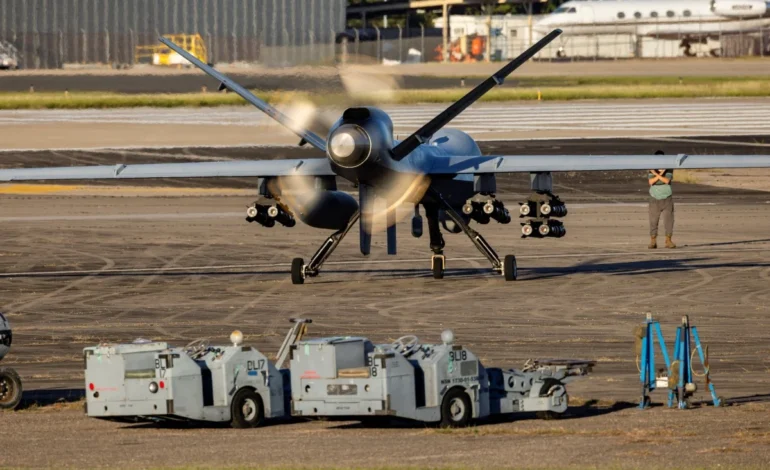
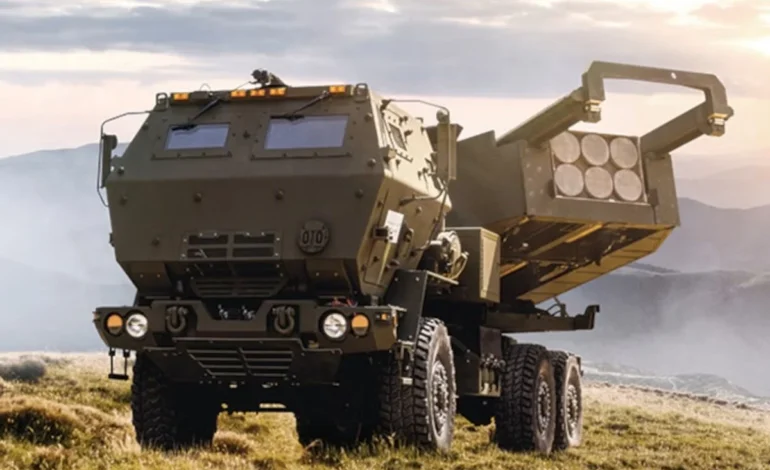
The arms sale in question is part of a broader pattern of US military support for Taiwan, which Washington says is intended to help the island maintain its defensive capabilities. While the US does not formally recognise Taiwan as a sovereign state, it is bound by domestic law to provide weapons for its self defence. This policy has long been a source of friction with Beijing.
China maintains that Taiwan is a core national interest and has warned that any attempt to challenge its sovereignty crosses a red line. Chinese officials have responded to past arms sales with diplomatic protests and military drills near the island, signalling their readiness to defend their claims.
Venezuela’s intervention reflects its broader foreign policy alignment with China and its opposition to US influence. The South American nation has deepened political and economic ties with Beijing in recent years, viewing China as a strategic partner in trade, investment and global diplomacy. Analysts say Caracas’s statement is consistent with its efforts to support allies that challenge what it sees as US dominance in international affairs.
Regional experts note that while Venezuela has little direct involvement in East Asian security, its comments highlight how the Taiwan issue notes: I must avoid dashes. Continue. highlight how the Taiwan issue has become a global diplomatic flashpoint. Countries far beyond the region are increasingly taking public positions, reinforcing divisions between major geopolitical blocs.
The US has defended its arms sales to Taiwan as necessary for deterrence and stability, arguing that a strong defensive posture reduces the likelihood of miscalculation. American officials say they oppose any unilateral change to the status quo, whether by force or coercion.
Despite these assurances, critics argue that continued weapons transfers raise the risk of escalation. Venezuela’s statement concluded by calling for dialogue and respect for sovereignty, warning that military solutions will only deepen mistrust and instability.
As tensions over Taiwan continue to shape global diplomacy, the reaction from Caracas underscores how the issue resonates well beyond the Asia Pacific. With rival powers rallying supporters on both sides, the debate over arms sales and sovereignty is likely to remain a central point of contention in international politics.