Venezuela frees opposition prisoners after political upheaval as US influence grows
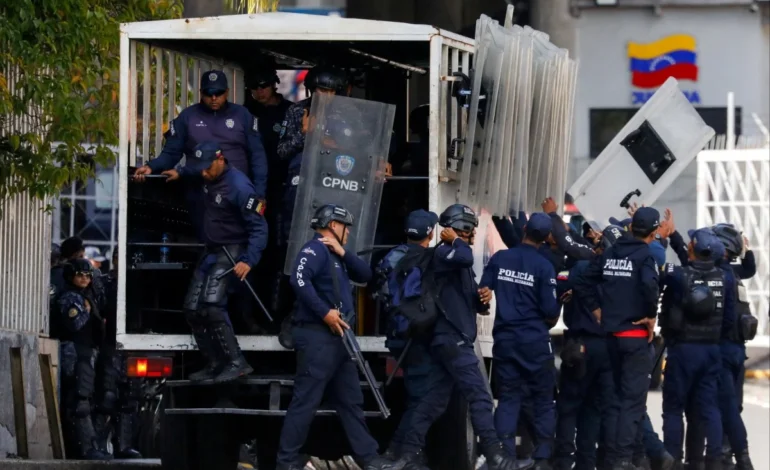
Venezuela has begun releasing a number of high-profile opposition figures, activists and journalists from prison in what authorities describe as a gesture toward national reconciliation and peace following weeks of dramatic political change. The move comes amid intense international attention after the removal of long-time leader Nicolás Maduro and expanding pressure from the United States.
Acting president Delcy Rodríguez announced the release of several political detainees, including Venezuelan and foreign nationals held in detention centers such as the notorious El Helicoide facility in Caracas. Among those freed were opposition leader Enrique Márquez, former legislator Biagio Pilieri and rights lawyer Rocío San Miguel, along with a group of Spanish citizens who were returned safely to Madrid earlier this week.
President Donald Trump said Washington had requested these releases as part of broader efforts to encourage Venezuela’s interim authorities to take steps toward democratic reforms and ease longstanding political repression. The White House welcomed the development as a positive sign, though independent observers noted uncertainty about how widespread the changes would be.
The releases mark the first significant concession by Venezuela’s new leadership, which took greater control after Maduro was captured by U.S. forces and taken to the United States to face federal drug-trafficking charges. His ouster has upended Venezuelan politics and opened the door to negotiations with foreign governments, including the United States.
Families of those freed expressed relief and hope after years of hardship. Human rights groups cautiously welcomed the move but underscored that many political prisoners remain behind bars. According to local advocacy organizations, Venezuela still holds hundreds of individuals considered political detainees by international rights monitors. These groups stressed that meaningful progress will require systematic reforms rather than isolated releases.
The decision to free a group of activists and opposition figures also highlights shifting dynamics in Caracas, where interim officials appear to be recalibrating their approach to dissent and international scrutiny. The release has drawn praise in Spain and other European capitals, where leaders called it a step toward respect for human rights and the rule of law. Foreign ministries reiterated support for further actions to promote political freedoms and accountability.
Despite the optimistic framing from some quarters, critics point out that the total number of political prisoners freed is relatively small compared with the estimated number still in detention. Many of those released were well-known figures with international profiles, leading some analysts to suggest the move is partly symbolic and intended to build goodwill with the United States and European allies.
Venezuela’s transition continues to unfold amid broader geopolitical interest. The United States has signaled its intention to play a role in shaping the country’s political and economic future, including potential cooperation on energy projects and reconstruction efforts. Discussions between Venezuelan officials and international partners are ongoing as each side weighs how best to stabilize the nation and address deep-rooted institutional challenges.