Venezuela Rejects US Plan to Label Alleged Cartel de los Soles as Terrorist Organisation
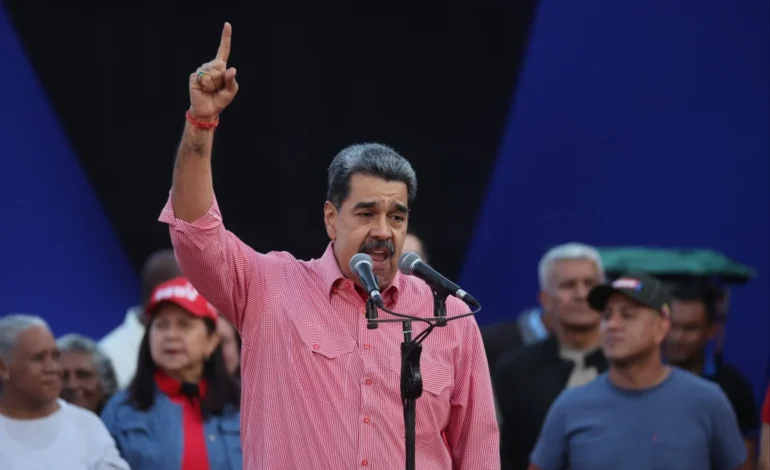
Venezuela has strongly rejected a move by the United States to label the so-called Cartel de los Soles as a foreign terrorist organisation, describing the planned designation as a political manoeuvre based on what it calls an entirely fabricated group. The response came on Monday, only hours before Washington was expected to formalise the classification.
Officials in Caracas dismissed the claim as a ridiculous fabrication designed to undermine the Venezuelan government. They argued that the alleged cartel does not exist and that the proposal forms part of a broader effort to increase pressure on President Nicolas Maduro. According to the Venezuelan government, the move reflects a continued pattern of regime change tactics that have characterised US policy toward the country in recent years.
US Secretary of State Marco Rubio announced earlier this month that Washington intended to designate the Cartel de los Soles as a foreign terrorist organisation. The decision was linked to allegations that the group has been involved in transporting illegal drugs into the United States. American officials say the group includes senior Venezuelan military and political figures and claim it has played a significant role in narcotics operations that cross regional borders.
The Trump administration has previously accused President Maduro of leading or benefiting from the alleged organisation, a claim he firmly denies. Maduro and his government have repeatedly stated that the accusations are politically driven and lack credible evidence. They argue that the narrative surrounding the cartel has been used for over a decade as a justification for sanctions and diplomatic restrictions aimed at isolating Venezuela.
The term Cartel de los Soles originally emerged in various reports and investigations suggesting that certain Venezuelan military personnel may have been connected to drug trafficking. However, the Venezuelan government maintains that the concept has been exaggerated and misrepresented, turning unverified claims into an official narrative without substantiated proof. Caracas insists that genuine efforts to combat drug trafficking require cooperation rather than politically charged accusations.
Observers note that the latest US move comes at a moment of heightened tension between the two countries. Relations have remained strained due to sanctions, disputes over Venezuela’s political leadership and disagreements on regional security. Analysts say the decision to apply a terrorist designation could further complicate diplomatic channels, restrict negotiations and increase the risk of broader economic measures.
Some experts also point out that the designation may have secondary effects on countries in Latin America, including potential disruptions in regional security cooperation or trade. Others believe it could strengthen Maduro’s argument that Venezuela is facing foreign aggression, a message he frequently delivers to domestic audiences.
Despite the strong reaction from Caracas, Washington has continued to assert that the designation is justified by intelligence assessments and long standing concerns about the flow of illegal drugs into the United States. It remains unclear how the move will influence broader policy or whether it will lead to additional actions by either government.
For now, Venezuela’s rejection underscores the deep mistrust and polarised views that define its relationship with the United States. Both sides remain entrenched in their positions, leaving little indication that tensions will ease in the near future.