Virtual US-China trade talks set tone for summit
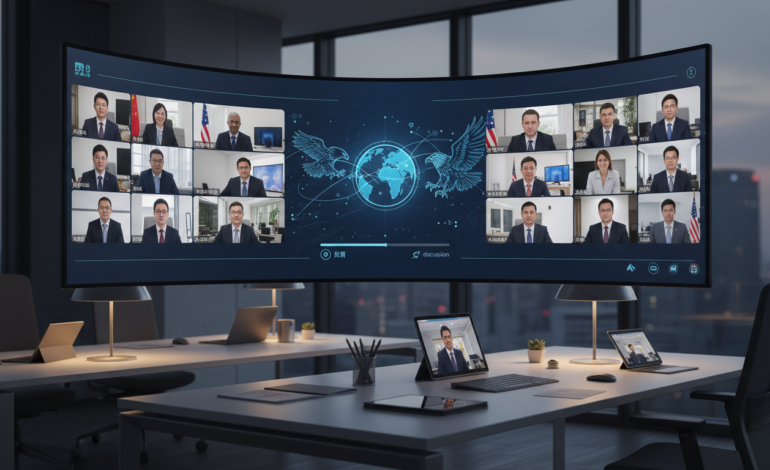
Implications of Virtual Engagement Over In-Person Talks
US-China trade talks are being kept to virtual engagement ahead of the expected Xi-Trump meeting, a choice that deliberately lowers the temperature and narrows the scope of what can be claimed on short notice. Today the message from Washington is about process, not a splashy deal, with officials signaling that remote sessions are designed to clarify positions, test areas of overlap, and avoid premature commitments on investment. Live market pricing tends to react to headlines, but the structure here points to guardrails rather than a breakthrough narrative. The practical implication is that both sides can keep domestic leverage while still keeping channels open, and any public Update is likely to describe “continued discussions” rather than announce new capital pledges.
Key Topics on the Agenda for US-China Trade Discussions
With Xi Jinping and Donald Trump both looming over the calendar, the virtual engagement format pushes negotiators toward issues that can be defined tightly and verified later, including tariff schedules, licensing rules, and enforcement language that does not require ceremonial signoffs. Today participants are also expected to focus on where de escalation is feasible without signaling weakness, such as limited sector carve outs or sequencing for compliance checks. A useful comparison can be seen in how governments describe “balanced trade” aims in other contexts, including China Signals Balanced Trade as Opening Reforms Deepen, where messaging is calibrated for external audiences. In Live discussions, officials often prioritize dispute management and definitions, then craft an Update that emphasizes stability over surprise.
Challenges in US-China Trade Relations
The hardest constraint on these US-China trade talks is that the most consequential items sit at the intersection of national security and industrial policy, where neither side wants to concede framing, let alone substance. Xi Jinping’s system is built to protect policy autonomy in strategic sectors, while Donald Trump’s political incentives lean toward visible toughness and measurable concessions. Virtual engagement does not fix that gap, it merely reduces the risk of misreading tone and allows each side to slow walk contentious points. Today the friction centers on enforcement credibility, export controls, and the trust deficit created by frequent rule changes and retaliatory threats. Live negotiating can manage incidents, but it rarely resolves structural disputes, so any near term Update will likely be carefully qualified.
Potential Outcomes of the Xi-Trump Summit
The realistic output of a Xi-Trump summit, if the preparatory track stays virtual, is a narrow package that can be explained as risk reduction rather than a reset. That can include a commitment to maintain a standing channel, a timetable for technical meetings, and language that limits escalation while leaving the bigger tariff question open. Officials have also signaled there will be no new investment push attached to the pre summit track, which lowers expectations for headline announcements. A primary window into the framing is reporting that highlights the emphasis on virtual talks and modest deliverables, such as this coverage from South China Morning Post on the virtual talks approach. Live optics may still matter, but the Update is more likely to stress “ongoing engagement” than grand bargains.
Global Reactions to US-China Trade Strategy
Outside the two capitals, governments and multinationals are reacting less to slogans and more to whether the process reduces volatility in shipping, commodities, and technology supply chains. Trading partners in Europe and Asia typically treat US-China trade talks as a forward indicator for customs friction and compliance burdens, and they will watch whether virtual engagement produces clearer rules of the road. Today, firms are building contingency plans around licensing uncertainty, rerouting, and inventory buffers, while central banks track how tariff risks filter into inflation. Live sentiment can swing on a single line in a communique, so markets will parse any Update for hints about enforcement mechanisms and deadlines. For broader context on how major outlets frame these dynamics, ongoing reporting from Reuters coverage of trade and diplomacy is often a reference point for global desks.