Volkswagen bets on China expansion and new electric vehicles as restructuring continues amid global uncertainty
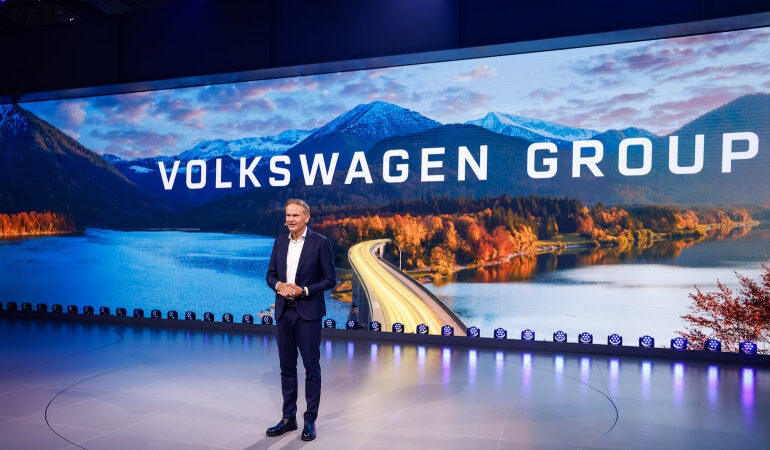
Volkswagen Group is entering a critical phase in its global recovery strategy as the company accelerates its push into China while introducing a new generation of electric vehicles and continuing large scale restructuring efforts. The German automaker managed to stabilize global sales during the past year despite difficult market conditions and rising competition. However new geopolitical tensions and economic uncertainty are adding fresh pressure on the company’s outlook. Executives say strengthening the company’s position in China’s fast evolving electric vehicle market will play a decisive role in determining whether Volkswagen can maintain its global leadership in the automotive industry.
China remains Volkswagen’s most important market and a key battleground in the transition toward electric mobility. The country has rapidly become the center of global EV innovation, with domestic brands introducing highly advanced electric models and intelligent vehicle software at competitive prices. Volkswagen has responded by expanding partnerships with Chinese technology companies and accelerating local development programs. Industry analysts say success in China will be essential because the country represents the largest electric vehicle market in the world and continues to shape global trends in battery technology, connected vehicles and digital mobility services.
At the same time Volkswagen is undergoing major internal restructuring designed to reduce costs and improve efficiency across its global operations. Company leadership has introduced measures aimed at simplifying development processes, improving software capabilities and increasing profitability in its electric vehicle division. These changes come as global automakers face mounting competition from fast growing Chinese manufacturers that are gaining market share both domestically and internationally. Volkswagen executives have acknowledged that adapting to this new competitive landscape will require faster innovation cycles and stronger collaboration with technology partners.
Industry observers note that the global automotive sector is also facing new risks linked to geopolitical developments and economic uncertainty. Rising tensions in the Middle East have raised concerns about potential increases in oil prices and disruptions to global supply chains. Higher energy costs can influence consumer confidence and affect vehicle demand in several major markets. Automakers are therefore balancing long term investments in electric vehicles with the need to manage short term volatility in global economic conditions.
Despite these challenges Volkswagen continues to emphasize the importance of electric mobility as the foundation of its future strategy. The company plans to introduce several new electric models over the coming years while strengthening research and development capabilities in software driven vehicles and digital mobility platforms. China is expected to remain at the center of these efforts because the country offers both the scale and technological ecosystem needed to accelerate EV innovation. The outcome of these initiatives could determine whether Volkswagen successfully navigates the rapidly changing global automotive landscape.