Where China Stands in the Global Nuclear Medicine Race
China is accelerating its push to become a global leader in nuclear medicine, a field that is rapidly transforming how doctors diagnose and treat cancer. With heavy state-backed investment and a fast-expanding supply of medical isotopes, China sees nuclear medicine as a strategic industry that could position the country at the frontier of advanced healthcare. However, despite this momentum, the sector still faces significant challenges that could slow its rise. Understanding where China stands requires a closer look at both the breakthroughs and the obstacles shaping its ambitions.
A Field Once Overlooked Now Moving Into the Spotlight
For many years, nuclear medicine departments in Chinese hospitals were quiet, almost hidden spaces that most people passed by without much notice. The work happening inside them was often misunderstood or overlooked. Today, that is changing fast. Nuclear medicine has become one of the most technologically promising areas in modern healthcare, attracting global investments from pharmaceutical giants and inspiring a wave of innovation. Its ability to diagnose and treat cancer with unprecedented precision is drawing attention from researchers, investors, and healthcare officials around the world.
A Major Breakthrough With Pluvicto’s Approval
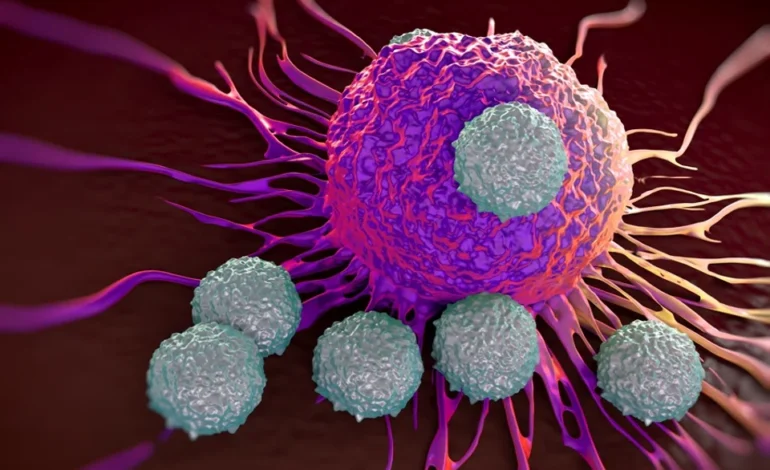
China received a powerful reminder of the field’s importance in November when the National Medical Products Administration approved Novartis’ radioligand therapy drug Pluvicto. This was a milestone moment because Pluvicto became the first therapy of its kind approved in China. The drug uses extremely small doses of radioactive isotopes to target prostate cancer cells with precision that traditional radiation therapy cannot match. Pluvicto, along with another Novartis drug called Lutathera, generated more than 2.7 billion US dollars in global sales last year. These results demonstrate how nuclear medicine is moving from a niche specialty into a major force within the pharmaceutical world.
Global Competition Intensifies
China is not the only country racing to claim leadership in this field. International drugmakers are investing billions of dollars to expand their nuclear medicine capabilities. In 2023, Bristol Myers Squibb purchased RayzeBio in a deal worth more than four billion dollars. AstraZeneca followed with a multibillion-dollar acquisition of Fusion Pharmaceuticals, while Eli Lilly signed a major partnership with Aktis Oncology. These massive deals reflect a global understanding that radiopharmaceuticals could redefine cancer treatment and generate enormous long-term value. As foreign companies push forward aggressively, China is working to ensure it keeps pace.
A Blueprint for a National Nuclear Medicine Supply Chain
Recognizing the opportunities ahead, China unveiled a comprehensive development plan in 2021. Eight government departments joined forces to outline a full supply chain for radiopharmaceuticals, from isotope production to drug development and clinical application. Investment quickly flooded the industry. In 2019, China had fewer than twenty companies focused on nuclear medicine. By 2024, that number had reached almost one hundred. Major Chinese pharmaceutical companies such as Jiangsu Hengrui and Yunnan Baiyao have also entered the sector, hoping to capitalize on what they see as an expanding market with enormous potential.
Progress in Isotope Supply but Gaps in Drug Innovation
China has made important progress in strengthening its isotope supply, a crucial step for producing nuclear medicine therapies. Earlier this year, China National Nuclear Corporation delivered its first shipment of lutetium 177, the key isotope used in both Pluvicto and Lutathera. This marks a major achievement in reducing dependence on foreign suppliers. However, while China now has a growing infrastructure for isotope production, it has yet to produce its own blockbuster radiopharmaceutical. Domestic pipelines are promising but still early in development. Many companies focus on targets where treatments already exist, limiting innovation and competition with global leaders.
Structural Challenges That Must Be Overcome
Despite rapid growth, China’s nuclear medicine industry faces several bottlenecks. Regulatory processes remain rigid, slowing the pace of clinical trials and approvals. The sector also suffers from a shortage of experienced talent, as nuclear medicine requires highly specialized scientific and medical skills. In addition, many start ups gravitate toward safer research paths rather than taking risks on new therapeutic directions. These challenges may restrict the industry’s ability to reach its full potential without reforms that encourage creativity and streamline regulation.
A Promising Future With Strategic Adjustments
China has laid a strong foundation for becoming a global force in nuclear medicine, but the path ahead will require strategic adjustments. Improving regulatory efficiency, nurturing talent and encouraging more innovative research directions will be essential for turning investment into world class therapies. With continued commitment, China could transform its growing infrastructure into major scientific breakthroughs that benefit patients both at home and around the world.