Who Benefits and Who Suffers if the United States Takes Control of Venezuela’s Oil
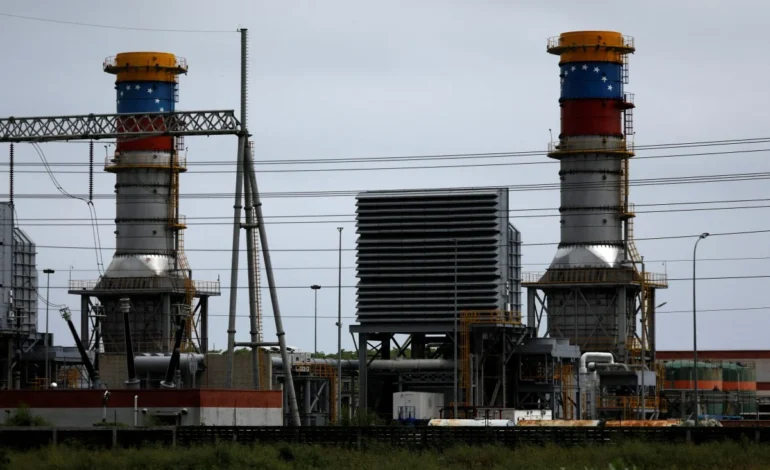
The prospect of the United States taking control of Venezuela’s vast oil reserves has sparked intense debate over who would ultimately gain and who would bear the costs. The discussion follows US air strikes on Caracas and the subsequent detention of Venezuelan leader Nicolás Maduro and his wife, who were transferred to US custody. President Donald Trump later stated that Washington planned to temporarily run the country and manage its oil resources.
For the United States, the potential advantages are clear. Venezuela possesses some of the largest proven oil reserves in the world, yet years of mismanagement, sanctions and underinvestment have left production at a fraction of its former levels. Direct control could allow US companies and authorities to stabilise output, restore infrastructure and bring Venezuelan crude back onto global markets at scale. This could help moderate oil prices, strengthen US energy influence and reduce reliance on other major producers.
American energy firms would likely be among the biggest beneficiaries. Access to Venezuela’s heavy crude, combined with US technology and capital, could unlock value that has remained dormant for more than a decade. Strategically, Washington could also reshape energy flows in the Western Hemisphere, reinforcing its leverage in global oil markets and weakening rivals that have maintained close ties with Caracas.
However, the risks and losses are substantial, particularly for Venezuela itself. For many Venezuelans, foreign control of national oil resources would be viewed as a profound violation of sovereignty. Oil has long been central to the country’s national identity and political economy. Even opponents of Maduro may see external management as humiliating or destabilising, potentially fuelling unrest and resistance.
The social costs could also be severe in the short term. Any transition of control would be complex and disruptive, with uncertainty over jobs, revenues and public services. Venezuela’s oil income has historically funded social programmes, however flawed their implementation. A new system prioritising efficiency and debt repayment could leave vulnerable populations exposed unless safeguards are put in place.
Internationally, the move would produce winners and losers as well. Countries that relied on discounted Venezuelan oil or political alignment with Caracas could lose access and influence. At the same time, Washington’s allies might benefit from more stable energy supplies and a clearer investment environment. China and Russia, both of which have significant financial and strategic interests in Venezuela, would likely see US control as a setback to their regional ambitions.
There is also the broader question of precedent. If a major power openly takes control of another country’s natural resources following military action, it could weaken international norms around sovereignty and non interference. This may encourage other states to pursue similar strategies elsewhere, increasing global tension.
In the long run, the outcome would depend on execution. If oil revenues are transparently managed and used to rebuild Venezuela’s economy, some Venezuelans could eventually benefit. If control is seen as exploitative or temporary occupation turns prolonged, the losses could outweigh any gains. What is certain is that control of Venezuela’s oil would reshape not only the country’s future but also the balance of power in global energy politics.