
Why China’s Miao Ethnic Group Shows Love Through Biting And What A Gentle Bite Really Means
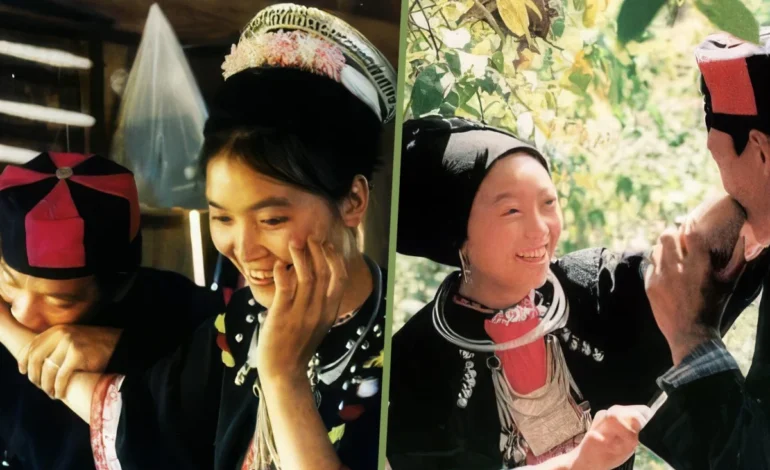
Among China’s many ethnic groups, the Miao community in Hainan stands out for a courtship ritual that is both surprising and deeply symbolic. Known as yao shou ding qing, meaning “biting the hand to seal the love,” this tradition may appear unusual to outsiders, but within the Miao culture it reflects sincerity, commitment and the belief that true love must leave a mark.
The practice has been officially recognised as a provincial level intangible cultural heritage since 2017, highlighting its cultural importance and its continued presence in local customs. For the Miao people, gestures often speak louder than words. A heartfelt bite is not a sign of aggression but a way of saying that love is real, lasting and worthy of a trace that endures.
Where Love Stories Begin
This ritual usually takes place beneath evergreen trees such as betel palms, which symbolise long lasting affection and loyalty. These trees stand tall in the Miao imagination as witnesses to young love.
Festivals, especially the third day of the third lunar month dedicated to ancestral worship, bring young men and women together in open spaces under these trees or along quiet grassy hills. Here, they sing folk songs filled with emotion, longing and the hope of finding a partner. The gatherings are warm, lively and full of anticipation, creating the perfect setting for the ritual to unfold.
Music As A Messenger Of Feelings
When a young Miao man develops feelings for someone, he does not begin with spoken words. Instead, he turns to music. Using instruments like the nose flute or simple leaves from a tree, he plays soft, flowing melodies outside the girl’s home at night. This musical serenade acts as a confession of affection, sincere and humble.
If the young woman does not feel the same way, or if she already has a partner, she offers a gentle and polite bite. This light bite is her graceful way of rejecting the proposal without causing embarrassment. It signals respect, but also clarity.
The Bite That Means “Yes”
The meaning changes completely when the woman returns the man’s affection. In this case she responds not with a light gesture, but with a firm and deliberate bite on his hand. This bite can be strong enough to leave a mark and, in some cases, even draw blood.
In Miao culture, this does not express harm but commitment. The belief that “everything leaves a trace” shapes the symbolism behind the bite. A deeper mark represents a deeper promise, signalling that she is ready to accept the relationship and move forward together. It is an emotional moment, one that creates a visible sign of their bond.
From Bite To Betrothal
Once the bite has taken place and both families recognise the relationship, the couple proceeds to an engagement ceremony known as eating chicken. This ceremony brings relatives together and symbolises approval of the marriage. Food, blessings and music fill the occasion, marking the beginning of the couple’s new journey.
This tradition is not only about romance; it is also a reminder of the Miao community’s unique worldview. Their rituals highlight honesty, courage and sincerity. A firm bite shows that love should be expressed openly, without hesitation, while a polite bite conveys respect for boundaries.
Why These Traditions Still Matter
Although modern dating culture across China is evolving rapidly, rituals like yao shou ding qing remain important in Miao villages. They connect younger generations with their heritage and remind them that love is not only about modern expressions but also about lasting symbols that honour community values.
Visitors who witness the ritual are often struck by its simplicity and depth. It is a powerful example of how cultural meaning can transform an action into something profound and heartfelt.
In the end, the Miao belief that love should leave a visible trace captures an enduring truth: relationships require sincerity, bravery and the willingness to show how deeply one feels.



