Why Delivery Drones Are Closer Than Ever to Becoming Mainstream
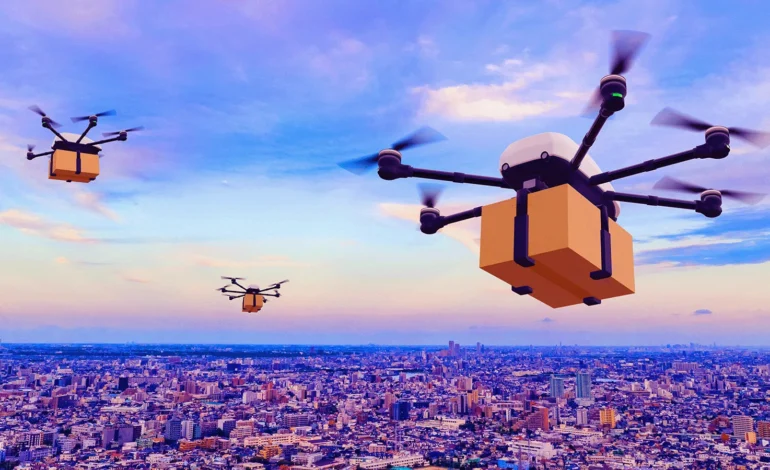
Delivery drones are moving from experimental prototypes to practical tools that many cities and towns are beginning to adopt. What once felt like a distant idea is now taking shape as a real part of modern logistics. Advances in battery power, autonomous navigation and lightweight design have made drones far more capable than earlier generations. They can now travel longer distances, carry meaningful payloads and land with precision in designated zones. As demand for faster delivery grows and urban congestion becomes more challenging, drones are emerging as an efficient alternative that can bypass traffic and reach locations traditional vehicles struggle to access.
Transforming Healthcare and Emergency Services
One of the most powerful use cases for delivery drones is in healthcare. In remote or hard to reach areas, drones can transport critical supplies such as vaccines, blood, antibiotics and diagnostic samples far quicker than ground methods. In emergencies, every minute matters, and drones offer an invaluable advantage by cutting travel time dramatically. Their ability to fly over rivers, mountains and damaged infrastructure makes them especially useful during disasters where normal routes are blocked. Hospitals around the world are exploring drone corridors to ensure rapid medical support for communities in need.
A Boost for Businesses and E Commerce
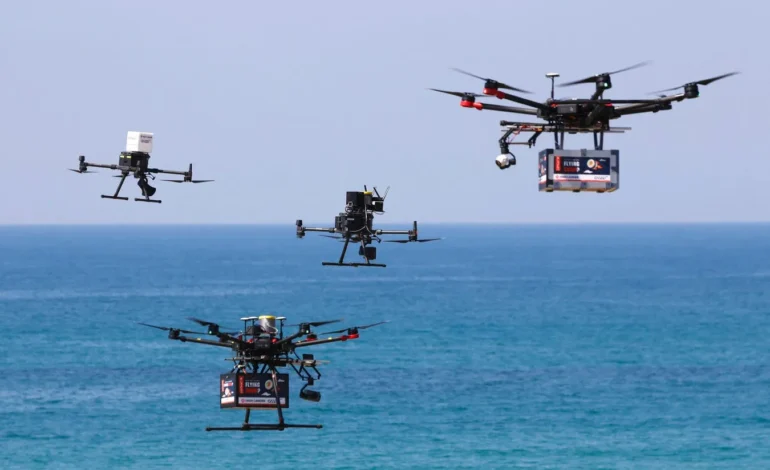
The commercial sector is also preparing for widespread drone adoption. Retailers are recognising how airborne delivery can reduce last mile costs and improve customer satisfaction. Small items like electronics, documents, clothing and takeaway meals are ideal for lightweight drone transport. These drones can leave distribution hubs, travel directly to customers and return to recharge without requiring drivers or delivery vans. Companies testing these systems report shorter delivery windows, better efficiency and fewer delays. As consumers grow accustomed to near instant service, drones are becoming a competitive advantage in the constantly evolving world of e commerce.
Enhancing Rural Connectivity and Reducing Inefficiency
Rural communities stand to benefit significantly from mainstream drone delivery. In many remote regions, traditional logistics are expensive and slow due to long travel distances and limited infrastructure. Drones provide a practical way to connect these areas with essential services and markets. Farmers can receive spare parts quickly, residents can access goods without long journeys and small businesses can expand their reach. Drones also reduce the environmental footprint associated with long road trips, offering a cleaner and more sustainable delivery model.
Addressing Safety, Regulation and Public Trust
Despite the promise of drone delivery, several key challenges remain. Governments and aviation authorities must establish clear rules for flight paths, altitude restrictions, payload limits and safety protocols. Preventing collisions with buildings, birds and other aircraft requires advanced sensing technology and strong regulatory frameworks. Noise levels and privacy concerns also influence public acceptance. Companies developing drone networks are working closely with regulators to create safe, predictable systems. As more successful trials take place, confidence in drone delivery continues to grow and resistance slowly fades.
A Future Where Drones Become Everyday Helpers
The pace of innovation suggests that delivery drones will soon be part of daily life in many parts of the world. They offer faster service, improved access, environmental benefits and new economic opportunities. As the technology matures and regulations become more standardised, drones will expand from isolated pilot programs into large scale networks that support both cities and rural communities. The transition to mainstream adoption is already underway, and drones are poised to become an essential part of how goods move from place to place in the near future.