Why forest conservation must become a long term priority across Southeast Asia
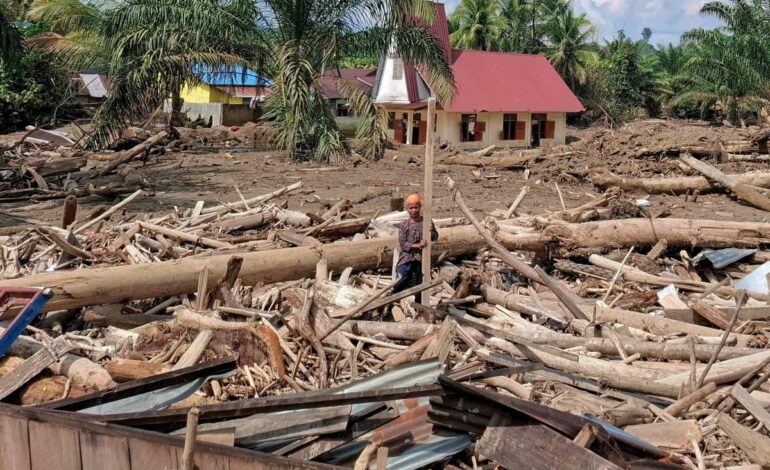
Deadly floods reveal the true cost of deforestation
Severe flooding in late November in Indonesia has once again highlighted the human cost of unchecked deforestation. In Sumatra, floods and landslides killed more than 1,000 people, with powerful currents carrying massive logs downstream and overwhelming communities. Images of uprooted trees and destroyed villages shocked the public and intensified scrutiny of land use practices in forested regions. While extreme rainfall played a role, the scale of destruction exposed deeper structural problems linked to forest loss and poor environmental oversight.
Government response follows public pressure
The tragedy prompted swift public outrage, forcing Indonesian authorities to respond. Environmental agencies announced investigations into eight companies suspected of contributing to the floods and landslides through land clearing and logging activities. These probes reflect growing recognition that corporate practices and weak enforcement mechanisms can have deadly consequences. However, investigations after disasters raise a broader question about whether reactive measures are enough to address long standing governance failures in forest management.
A regional problem beyond Indonesia
What happened in Sumatra is not an isolated incident. Similar floods in recent years have devastated communities across Thailand, Malaysia, and Vietnam. In each case, heavy rainfall combined with widespread deforestation and inadequate land use controls. These events point to a shared regional challenge rather than a single country failure. As forests are cleared for agriculture, mining, and infrastructure, natural systems that once regulated water flow are weakened or destroyed.
Why forests are critical for flood prevention
Forests play a crucial role in absorbing rainfall and stabilising soil. Tree roots help anchor the ground, while forest floors slow water movement and allow rain to seep gradually into rivers and groundwater systems. When forests are stripped away, rainwater flows rapidly over exposed land, increasing the risk of flash floods and landslides. In Southeast Asia’s mountainous and tropical landscapes, this effect is particularly pronounced, turning intense storms into deadly disasters for downstream communities.
Climate change amplifies existing risks
Climate change is intensifying rainfall patterns across the region, making storms more frequent and severe. However, climate change alone does not determine the scale of damage. Deforestation decides whether heavy rain becomes manageable or catastrophic. Areas with intact forests are better able to withstand extreme weather, while heavily logged regions experience more destructive outcomes. This interaction between climate change and land use means that forest conservation is not only an environmental issue but also a critical adaptation strategy.
Weak governance undermines protection efforts
Despite the known benefits of forests, weak governance continues to undermine conservation efforts. In many Southeast Asian countries, enforcement of logging regulations remains inconsistent, and economic pressures often override environmental concerns. Illegal logging and poorly regulated concessions persist, eroding public trust and leaving vulnerable communities exposed. Without stronger institutions and transparent monitoring, promises to protect forests risk remaining symbolic rather than effective.
The need for long term regional commitment
Addressing deforestation requires a long term approach that goes beyond emergency responses after disasters. Governments must integrate forest conservation into national development plans, strengthen enforcement, and hold companies accountable for environmental damage. Regional cooperation is also essential, as climate impacts and ecological systems do not respect national borders. Sharing data, best practices, and enforcement mechanisms could help Southeast Asia build resilience collectively.
Protecting lives through forest conservation
The floods in Sumatra and across the region serve as a stark reminder that forest conservation is directly linked to human safety. Protecting forests reduces disaster risks, safeguards livelihoods, and strengthens resilience against climate change. For Southeast Asia, making forest conservation a sustained priority is not just about preserving nature. It is about protecting communities and preventing future tragedies.