Why US Asian allies are holding back criticism of Trump over Venezuela
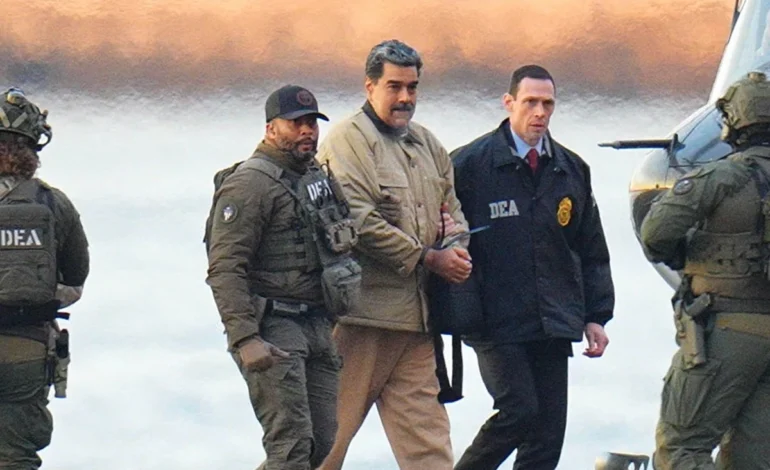
The United States’ Asian allies have largely refrained from openly criticising Washington’s actions in Venezuela, despite private unease over what some officials describe as aggressive or unconventional tactics. The restraint reflects a careful balancing act by governments that depend heavily on US security guarantees and trade ties, particularly at a time when economic pressure has become an increasingly prominent tool of American foreign policy.
The military operation in Venezuela and the strong language used by Donald Trump have raised concerns among policymakers in Asia about precedent and predictability. Yet few regional governments have been willing to voice those concerns publicly. Diplomats say the fear is not only about diplomatic fallout but also about potential economic consequences if relations with Washington sour.
Many Asian economies remain deeply integrated with the US market. Tariffs, export controls and investment restrictions have featured prominently in recent US trade negotiations, creating a sense that criticism on sensitive geopolitical issues could carry tangible costs. For export driven nations, even a small disruption to access can have outsized economic effects, making caution the preferred approach.
Security considerations further limit room for manoeuvre. Countries such as Japan, South Korea and the Philippines rely on the US for military support and extended deterrence. While these governments value international law and multilateral norms, they are also wary of appearing disloyal to a key ally at a time of rising regional tensions. Public disagreement over Venezuela could be interpreted as weakening alliance unity.
China’s growing influence in Asia adds another layer of complexity. Some governments worry that distancing themselves from Washington could push them into a more vulnerable position between competing powers. Maintaining stable relations with the US is seen as essential to preserving strategic balance, even when policy differences arise.
Privately, officials in several Asian capitals have expressed discomfort with what they view as unilateral action and sharp rhetoric. They note that instability in Latin America can have global economic implications and raise questions about the use of force and sovereignty. However, these discussions are largely confined to closed door meetings rather than public statements.
The situation highlights a broader pattern in international diplomacy during periods of strong US assertiveness. Allies often choose quiet engagement over public confrontation, seeking to influence outcomes through dialogue rather than criticism. This approach allows them to register concerns without risking retaliation or long term damage to bilateral ties.
At the same time, analysts say such restraint carries its own risks. Silence can be interpreted as endorsement, potentially weakening the credibility of international norms that many Asian countries support. Over time, this could contribute to uncertainty about how rules are applied and enforced on the global stage.
For now, pragmatism appears to outweigh principle in public messaging. Asian allies are prioritising economic stability and security cooperation while watching closely how events in Venezuela unfold. Their cautious stance reflects not approval of every US action, but a calculation shaped by dependence, vulnerability and the realities of power politics in an increasingly divided world.