Winter Games should stay true to snow and ice, says snowboarding chief
The Winter Olympics risk losing their core identity if organisers continue to add novelty events that drift too far from snow and ice based sport, according to the head of the global skiing and snowboarding body. Johan Eliasch, president of the International Ski and Snowboard Federation, has warned that constant experimentation could weaken the appeal and credibility of the Games.
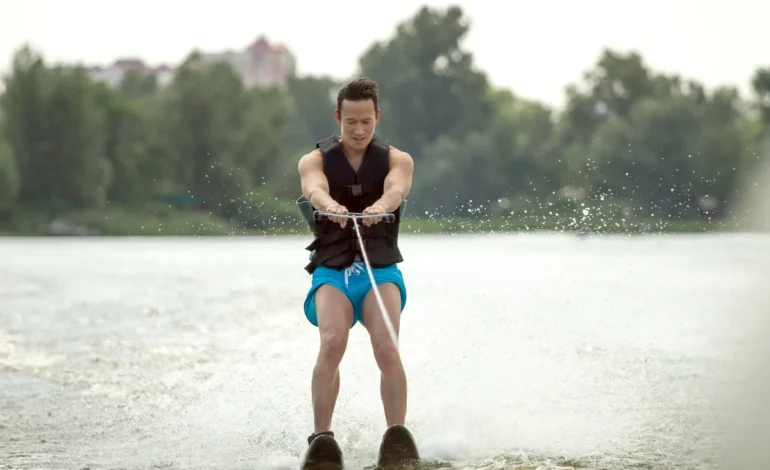
Speaking about the direction of the Winter Olympics, Eliasch argued that the event’s strength lies in its clear focus on winter disciplines rooted in skiing, skating and snowboarding. While innovation has helped attract younger audiences in recent years, he said there must be limits to how far organisers are willing to go. In a light hearted remark that underscored his concern, Eliasch joked that water skiing would make more sense than some of the events that have been proposed or introduced in recent editions of the Games.
His comments come amid ongoing debate within the Olympic movement about how to modernise the Winter Olympics without alienating traditional audiences. Newer events such as big air snowboarding and mixed team formats have been introduced to boost entertainment value and television appeal. Supporters argue that these additions reflect how winter sports are evolving and help keep the Games relevant in a crowded global sports calendar.
Eliasch does not oppose change outright, but he believes that any new discipline must clearly align with the spirit of winter sport. He stressed that snow and ice should remain non negotiable foundations of the Winter Games. According to him, stretching the definition of winter sport too far risks confusing fans and diluting the brand built over decades.
The FIS president also raised concerns about sustainability and logistics. Many potential host cities already struggle with rising costs and environmental pressures linked to staging the Winter Olympics. Adding events that require specialised infrastructure or artificial conditions could make hosting even more complex. Eliasch suggested that maintaining a coherent and focused programme would help protect the long term viability of the Games.
The discussion reflects a broader tension faced by the International Olympic Committee, which has been seeking to balance tradition with innovation. The IOC has pushed for urban style events and youth focused formats as part of its strategy to broaden appeal, particularly among younger viewers who may feel less connected to classical winter disciplines.
Critics of this approach argue that the Winter Olympics are not simply another entertainment product but a showcase of elite athletic achievement in extreme natural conditions. They worry that turning the programme into a platform for experimental or borderline disciplines could undermine that identity.
Eliasch believes the answer lies in evolution rather than reinvention. He says the Games can modernise presentation, storytelling and athlete engagement without abandoning their core sporting values. Protecting the integrity of winter sport, he argues, is essential to ensuring that the Olympics remain distinctive and meaningful.
As preparations continue for future Winter Games, the debate over what belongs on the programme is likely to intensify. Eliasch’s remarks highlight growing unease among traditional sports leaders who fear that chasing novelty could come at the expense of authenticity.