With Hetao tech hub, Hong Kong is reimagining its economic future
A strategic pivot beyond finance and property
Hong Kong is taking a decisive step to reshape its long term economic trajectory, moving beyond its traditional dependence on finance and real estate toward a technology driven growth model. At the centre of this shift is the Hetao Shenzhen Hong Kong Innovation and Technology Cooperation Zone, a cross border initiative designed to anchor the city more deeply into China’s fast expanding innovation economy.
For decades, Hong Kong’s prosperity has rested on its role as a global financial hub. While that position remains important, policymakers increasingly recognise the need to diversify. Slower growth, rising competition from other financial centres, and structural changes in the global economy have all sharpened the urgency of building new engines of development.
Hetao as a bridge between two systems
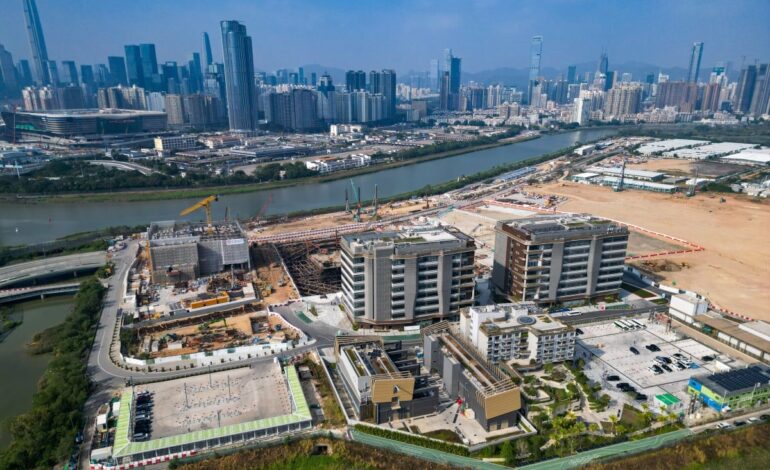
The Hetao tech hub occupies a unique geographic and institutional position, straddling the boundary between Hong Kong and Shenzhen. This location is not symbolic but strategic. It allows Hong Kong to connect directly with Shenzhen’s manufacturing strength, engineering talent, and entrepreneurial culture while maintaining its own legal system, research environment, and international connectivity.
By lowering barriers to collaboration, Hetao aims to create a seamless innovation corridor. Researchers, startups, and companies can tap into complementary advantages on both sides of the border, accelerating the journey from laboratory research to commercial application. For Hong Kong, this represents a chance to plug into a scale of innovation that would be difficult to achieve alone.
Building a high tech growth engine
The focus of Hetao is firmly on high value sectors such as artificial intelligence, biotechnology, advanced manufacturing, and data driven technologies. These areas align with national priorities and offer higher productivity potential than traditional service industries.
Hong Kong’s universities and research institutions play a central role in this strategy. By linking academic research more directly with industrial application, the city hopes to convert intellectual capital into economic output. The goal is not just to host research, but to foster companies that can compete globally from a Hong Kong base.
Cross border integration as economic strategy
Hetao reflects a broader shift toward deeper integration with the Greater Bay Area. Rather than viewing Shenzhen solely as a neighbouring competitor, Hong Kong is repositioning it as a partner. This change in mindset is crucial. Shenzhen’s strength in rapid prototyping and scaling complements Hong Kong’s strengths in research, finance, and international networks.
Cross border integration also helps address practical constraints. Hong Kong faces limitations in land, labour, and industrial space. By integrating with Shenzhen, it gains access to resources that can support large scale innovation without undermining its own regulatory framework.
Creating an innovation ecosystem
Policymakers emphasise that Hetao is not just a real estate project but an ecosystem. Success depends on aligning regulation, funding, talent mobility, and infrastructure. Streamlined visa arrangements, data flow mechanisms, and joint research programmes are all part of the plan to reduce friction and encourage collaboration.
Private sector participation is equally important. Venture capital, corporate investment, and startup engagement are needed to turn policy vision into commercial reality. By fostering ecosystem synergy, Hong Kong aims to create self reinforcing growth rather than isolated success stories.
Challenges on the road ahead
The transition will not be without challenges. Competition for talent is intense, and other cities are pursuing similar ambitions. There are also cultural and operational differences between Hong Kong and Shenzhen that must be managed carefully to ensure smooth collaboration.
Moreover, innovation driven growth takes time. Returns may not be immediate, and policymakers will need patience as projects mature. Clear governance and consistent support will be essential to maintain momentum.
Redefining Hong Kong’s role in China’s economy
Hetao represents more than a technology park. It signals a redefinition of Hong Kong’s role within China’s broader economic landscape. Instead of acting primarily as a financial gateway, the city is positioning itself as a contributor to technological advancement and industrial upgrading.
If successful, this pivot could provide Hong Kong with a more balanced and resilient economic foundation. By embracing high tech development and cross border integration, the city is betting that innovation, not just finance, will shape its future prosperity.