Xpeng expands overseas with new EV assembly hub in Malaysia
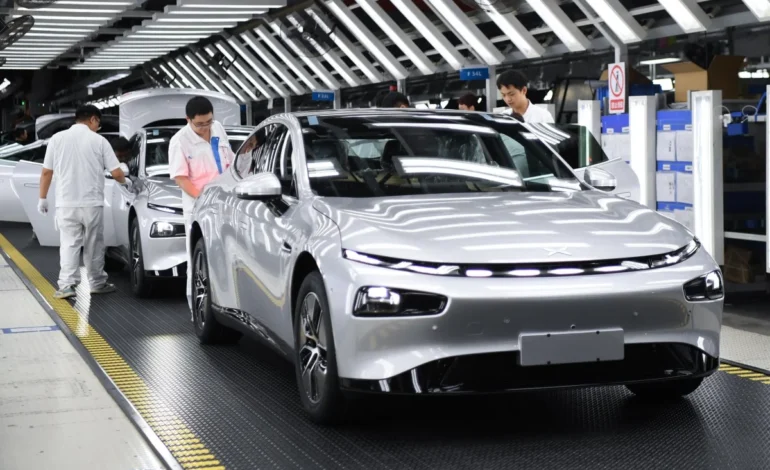
Chinese electric vehicle maker Xpeng has announced plans to set up a production base in Malaysia as part of its broader push to expand beyond its home market. The move is aimed at strengthening the company’s presence in Southeast Asia while improving long term profitability through localized manufacturing and closer access to regional customers.
Partnership with Malaysian automotive group
The Guangzhou based automaker said it will partner with EP Manufacturing Berhad, a Malaysian investment conglomerate with a strong focus on automotive manufacturing and engineering. Under the agreement, Xpeng’s intelligent electric vehicles will be assembled locally, with models tailored specifically to the preferences and driving conditions of Malaysian and wider Southeast Asian consumers.
Xpeng is partly owned by Volkswagen Group, which holds around five percent of the company. That connection has already helped the Chinese brand gain international visibility, and the Malaysian partnership signals a further step in turning global ambition into physical production capacity.
Building a regional production footprint
The Malaysian facility will be Xpeng’s second production site in Southeast Asia, underscoring the region’s growing importance in the company’s global strategy. By assembling vehicles closer to end markets, Xpeng aims to reduce costs related to shipping and tariffs while responding more quickly to local demand.
Local assembly also allows the company to adapt its vehicles to regional regulations and customer expectations, a key factor for success in markets with diverse infrastructure and policy frameworks.
An integrated ecosystem approach
Xpeng said the new plant is designed to support more than just vehicle assembly. The company plans to build what it describes as an integrated ecosystem covering localized production, sales operations, charging services, and user engagement. This approach reflects Xpeng’s strategy of positioning itself not just as a car manufacturer, but as a technology driven mobility brand.
By linking production with charging networks and after sales support, the company hopes to create a more seamless ownership experience and build stronger brand loyalty among Southeast Asian customers.
Southeast Asia as a growth market
Southeast Asia has emerged as a key battleground for global EV makers, with governments in the region promoting electrification to reduce emissions and dependence on fossil fuels. Malaysia, Thailand, and Indonesia in particular have been offering incentives to attract EV investment and develop domestic manufacturing capabilities.
For Xpeng, entering the market through local assembly provides a way to compete more effectively with established Japanese automakers and other Chinese EV brands that are also expanding in the region.
Profitability and scale beyond China
The move comes as Chinese EV manufacturers face intense competition at home, where price wars and slowing demand have pressured margins. Expanding overseas offers a path to new revenue streams and greater scale. By spreading production across multiple markets, companies like Xpeng can diversify risk and reduce reliance on any single country.
Malaysia’s strategic location and established automotive supply chain make it an attractive base for serving multiple Southeast Asian markets from a single hub.
Strengthening global ambitions
Xpeng’s decision to deepen its presence in Southeast Asia highlights how Chinese EV makers are evolving from exporters into multinational manufacturers. Establishing local production marks a significant step in that transition, signalling confidence in the region’s long term potential.
As the company rolls out its Malaysia assembly hub, its success will likely depend on how well it adapts its technology and vehicles to local needs while building the supporting infrastructure required for mass EV adoption.