Yearender: How China Is Powering Ahead With an Efficiency Revolution
As global technology competition intensifies and supply chains become more fragmented, China is responding not by retreating inward, but by doubling down on efficiency. Across factories, logistics hubs, energy systems, and digital platforms, the country is quietly building an internal engine designed to do more with less, faster and smarter than before.
Rising labour costs, export pressures, and tighter access to foreign technology have forced Chinese firms to rethink how they operate. The result has been a sweeping push toward automation, artificial intelligence, and data driven management. From smart manufacturing lines to algorithmic supply chain planning, efficiency has become a national economic priority rather than a corporate buzzword.
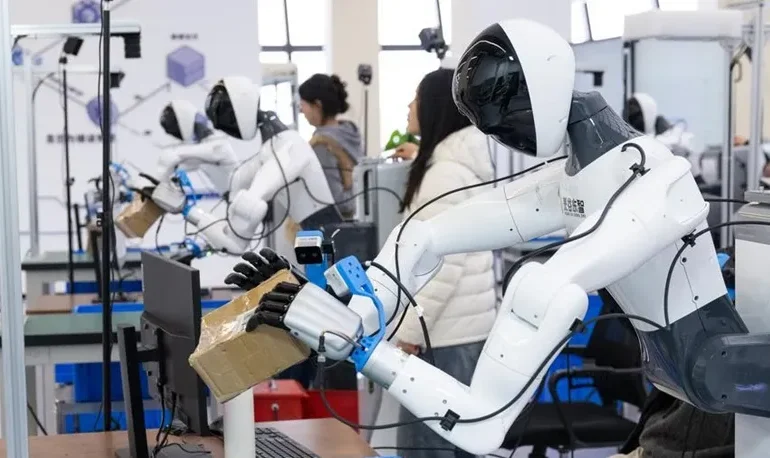
In manufacturing, factories are increasingly adopting robotics, predictive maintenance systems, and AI assisted quality control. These tools allow producers to cut waste, reduce downtime, and maintain output even as global demand fluctuates. Rather than chasing sheer volume, companies are focusing on precision, consistency, and speed.
Logistics has emerged as another key front. Advanced warehousing, automated sorting, and real time tracking systems are helping Chinese firms move goods more efficiently across vast domestic distances. This matters not just for exports, but for strengthening China’s internal market, where faster delivery and lower costs directly support consumption.
Energy efficiency is also part of the shift. Industrial users are investing in smarter energy management systems to reduce costs and meet tightening environmental standards. The focus is on squeezing more productivity from each unit of power, water, and raw material.
Crucially, this efficiency revolution is not limited to tech giants. Small and medium sized enterprises are being pulled into the transformation through digital platforms, shared tools, and government backed incentives. The goal is systemic improvement, not isolated excellence.
In a fractured global economy, China’s bet is clear. By making efficiency its competitive edge, it aims to remain resilient, adaptable, and difficult to sideline. The quiet gains made this year suggest that strategy is already reshaping how the world’s second largest economy works.