Zelensky Pushes for Accountability as Dozens of Nations Back Ukraine Reparations Plan
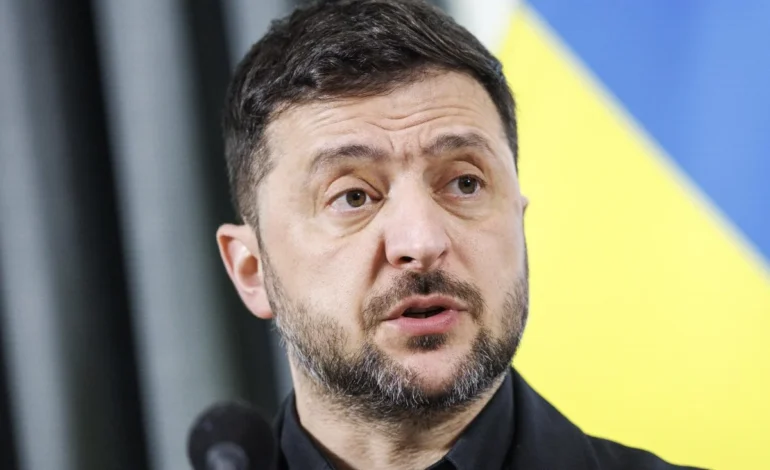
Ukraine has taken another significant step in its long campaign for accountability and justice following Russia’s invasion, as President Volodymyr Zelensky and senior European leaders agreed to establish an international mechanism to assess war related reparations. The move, backed by 35 countries, aims to determine how tens of billions of euros in damages could eventually be paid to Ukraine, though major questions remain over whether Russia will ever comply.
The newly formed body, known as the International Claims Commission for Ukraine, is designed to evaluate claims linked to the destruction and losses caused by the war. Its mandate includes reviewing damage to homes, businesses, infrastructure, and public institutions, as well as losses suffered by individuals and organizations. Supporters of the initiative describe it as a critical step toward formalizing responsibility and creating a legal framework for compensation.
President Zelensky welcomed the agreement, calling it an important signal that the international community recognizes the scale of harm inflicted on Ukraine. He emphasized that justice for victims must remain a central goal alongside military and humanitarian support. For Kyiv, reparations are not only about financial recovery but also about establishing a clear record of accountability for the invasion.
The commission builds on earlier groundwork laid by the creation of a Register of Damages, a database set up to document losses linked to the conflict. According to officials involved in the process, the register has already received more than 80,000 claims from individuals, companies, and institutions. These submissions range from destroyed homes and factories to damaged schools, hospitals, and cultural sites, offering a stark picture of the war’s toll on Ukrainian society.
European officials backing the initiative say the commission will provide a structured and transparent way to assess claims and calculate potential compensation. While no immediate payouts are expected, the goal is to ensure that claims are legally validated and ready should funding mechanisms become available in the future. Some countries have suggested that frozen Russian state assets abroad could eventually be used to help finance reparations, though this remains legally and politically contentious.
The biggest uncertainty surrounding the plan is whether Russia will ever agree to pay. Moscow has consistently rejected responsibility for war damages and has condemned international efforts to seize or redirect its assets. Legal experts note that enforcing reparations without Russia’s consent would be extremely challenging and could take many years, if it happens at all.
Despite these obstacles, supporters argue that establishing the commission now is crucial. They say it sends a message that accountability does not expire with time and that victims’ claims will not be forgotten even if immediate justice is out of reach. The process also helps preserve evidence and testimonies that could be essential for future legal or diplomatic efforts.
For Ukraine, the reparations initiative is as much about principle as it is about money. Zelensky and his allies see it as part of a broader effort to uphold international law and deter future aggression. While the road ahead is uncertain, the backing of 35 nations marks a significant show of political support and keeps the question of responsibility firmly on the global agenda.