Volvo to recall over 40,000 EX30 electric SUVs worldwide over battery overheating risk
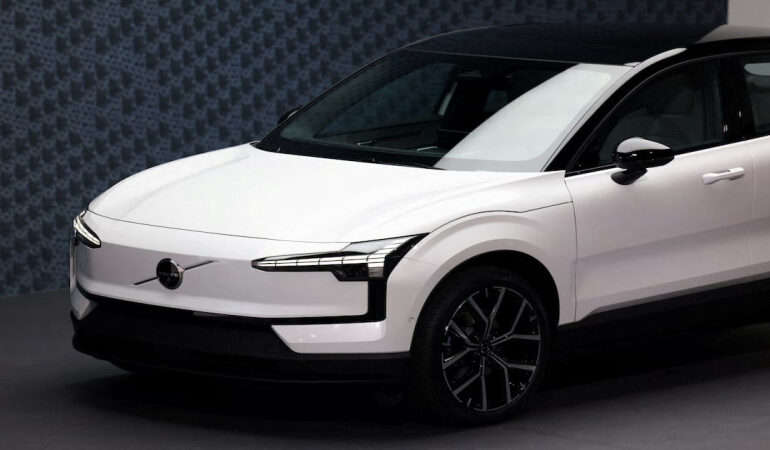
Volvo Cars is recalling more than 40,000 units of its fully electric EX30 SUV after identifying a potential overheating issue in the vehicle’s high voltage battery packs, a development that places renewed scrutiny on battery safety across the global electric vehicle market.
The recall affects 40,323 EX30 Single Motor Extended Range and Twin Motor Performance variants equipped with specific battery modules. According to the company, the issue involves components within the high voltage battery pack that could increase the risk of overheating under certain conditions. Volvo said it will replace the affected battery modules free of charge and has begun contacting customers with instructions on next steps.
As a precaution, the Swedish automaker has advised owners to limit charging to 70 percent until repairs are completed. In several markets, including the United States, Australia and Brazil, customers were also previously advised to park vehicles away from buildings while investigations were ongoing. The battery cells were supplied by a joint venture backed by parent company Geely, and Volvo stated that the supplier has implemented corrective measures to address the defect.
The EX30 is a central model in Volvo’s electric transition strategy. Positioned as a compact and relatively affordable electric SUV, it is designed to compete with lower priced Chinese brands and expand Volvo’s footprint in key international markets. Any disruption linked to safety concerns could have financial and reputational consequences, particularly for a company whose brand identity is closely associated with safety standards.
Industry analysts estimate that replacing the battery modules could cost hundreds of millions of dollars, depending on supplier negotiations and logistical expenses. Volvo is currently pursuing a multi year cost reduction programme and deeper integration with Geely, which adds further pressure to manage recall related expenses efficiently.
Battery safety remains one of the most sensitive issues in the electric vehicle sector. Previous high profile recalls by other manufacturers over fire risks have led to substantial repair costs and regulatory scrutiny. As EV adoption accelerates globally, automakers face increasing expectations to ensure the reliability of battery systems, which are among the most expensive and complex components in electric vehicles.
Volvo’s shares declined following news of the recall, reflecting investor concern over potential financial impact and brand implications. The company emphasized that customer safety is its top priority and that it is working closely with suppliers to resolve the issue promptly.
The recall highlights the technical challenges automakers continue to face in scaling electric vehicle production while maintaining strict safety benchmarks in an increasingly competitive global market.