Fears grow over global shipping disruption as Iran warns of chain reaction beyond Strait of Hormuz
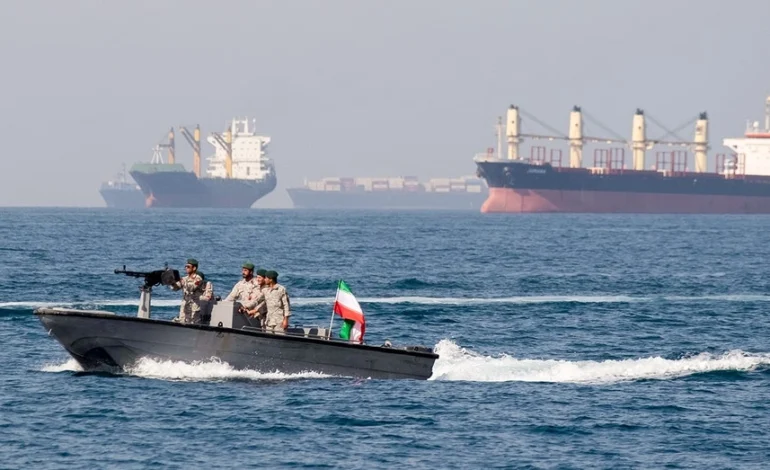
Rising tensions in the Middle East have sparked fresh concerns about the security of key global shipping routes after an Iranian adviser warned that any escalation in the Strait of Hormuz could trigger wider disruption across other critical maritime corridors. Ali Akbar Velayati indicated that instability in one strategic waterway could have ripple effects extending as far as Southeast Asia, including the vital Malacca Strait. The warning has drawn attention from global trade and energy markets, which rely heavily on uninterrupted maritime transport for oil and goods.
The Strait of Hormuz remains one of the most important oil transit chokepoints in the world, linking major producers in the Gulf to international markets. Recent developments, including renewed tensions involving Iran and its regional adversaries, have already disrupted shipping activity and contributed to fluctuations in global energy prices. Analysts say that any prolonged closure or escalation in the area could significantly impact supply chains, particularly for countries dependent on energy imports. The possibility of a broader chain reaction has raised alarms among policymakers and industry leaders.
The Malacca Strait, located between Malaysia and Indonesia, is another critical maritime route that handles a large share of global trade, especially shipments between Asia and the Middle East. Experts warn that disruptions in the Strait of Hormuz could lead to increased pressure on alternative routes, creating bottlenecks and raising the risk of further instability. A chain reaction affecting multiple chokepoints would not only affect oil shipments but could also disrupt the movement of goods, increasing transportation costs and delaying deliveries across global markets.
The warning comes amid heightened geopolitical uncertainty, with a fragile ceasefire involving Iran and the United States facing potential collapse. Observers note that tensions in the region have already led to military activity and shipping disruptions, contributing to volatility in energy markets. The statement from Iranian officials underscores the broader strategic significance of maritime routes in global power dynamics, where control and access to key waterways remain central to economic and security interests.
Global analysts suggest that the situation highlights the interconnected nature of modern trade routes, where instability in one region can quickly affect others. Governments and international organisations are closely monitoring developments, with increased focus on safeguarding shipping lanes and ensuring the continuity of global trade. As tensions persist, the risk of wider disruption across multiple maritime corridors remains a key concern for economies worldwide, particularly those reliant on stable energy supplies and efficient trade networks.