Flex Challenges Indian Tax Tribunal Ruling in Xiaomi Royalty Dispute
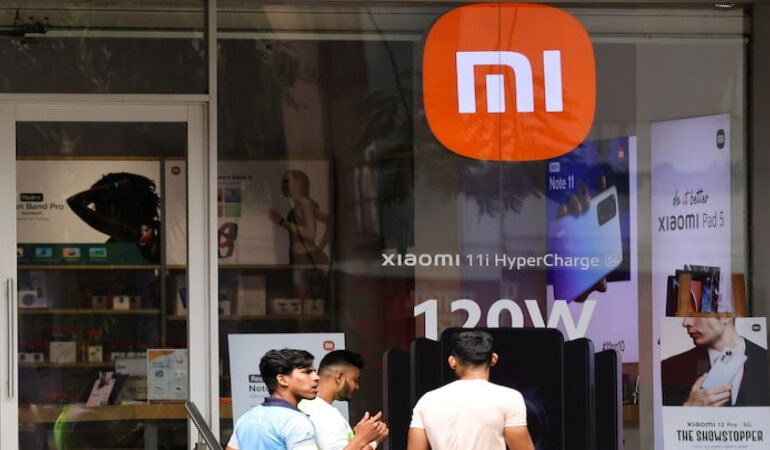
Contract manufacturer Flex has moved India’s Supreme Court to overturn a tax tribunal ruling linked to a royalty dispute involving Chinese smartphone maker Xiaomi, according to recent court filings. The case is emerging as a closely watched test of India’s legal and regulatory approach to contract manufacturing in the electronics sector.
Indian tax authorities have sought approximately 72 million dollars from Xiaomi over alleged unpaid taxes related to royalty payments. The dispute centers on whether certain payments made by the company should be treated as taxable under Indian customs and tax laws. Xiaomi has already challenged the ruling before the Supreme Court, arguing that the tribunal misinterpreted both ownership structure and royalty obligations.
Flex, a United States listed global contract manufacturer with operations in India, has now filed its own petition asking the Supreme Court to strike down the tribunal’s order. In its submission, the company stated that it did not assist Xiaomi in undervaluing imports and was not involved in royalty related transactions. Flex warned that the tribunal’s findings could expose it to severe financial penalties and reputational damage.
The Indian Tax Tribunal had concluded that Xiaomi’s contract manufacturers had willingly participated in transaction structures that facilitated tax evasion. Flex disputes that characterization, stating in its filing that its Indian subsidiary was not involved in royalty arrangements between Xiaomi and its affiliates. The company emphasized that it operates as a contract manufacturer providing assembly and production services rather than structuring intellectual property payments.
The legal battle carries broader implications for India’s electronics manufacturing ecosystem. The country has sought to position itself as an alternative production hub amid global supply chain diversification. Contract manufacturing plays a central role in that strategy, particularly in the smartphone and consumer electronics sectors.
Industry observers note that the outcome of the Supreme Court proceedings could influence how multinational technology firms structure royalty payments, licensing arrangements, and component imports when operating in India. A ruling that expands liability to contract manufacturers may prompt companies to reassess supply chain models and tax compliance frameworks.
Xiaomi has argued that the tribunal’s decision reflects an implicit mistrust of the contract manufacturing industry, warning that it could unsettle established business practices. The company has maintained that it should not be treated as the beneficial owner of certain components while simultaneously being taxed on related royalty payments.
The Supreme Court has asked the Indian government to respond to the legal challenges and is scheduled to take up the matter again in April. The proceedings are being closely monitored by global electronics manufacturers and investors, given the potential impact on cross border production agreements and intellectual property taxation in one of the world’s fastest growing smartphone markets.